345: We Need to Talk About Dignity and Humanity

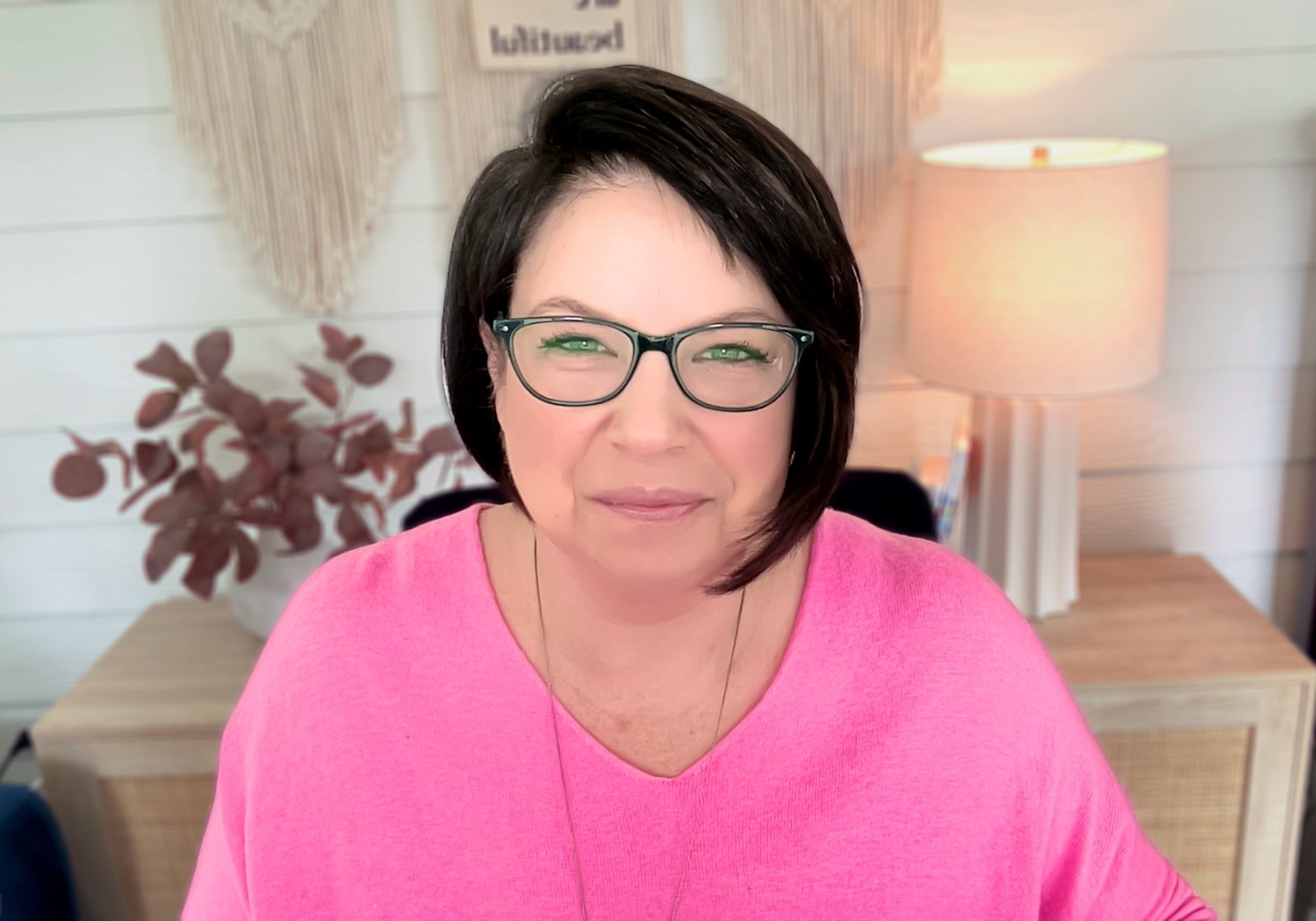
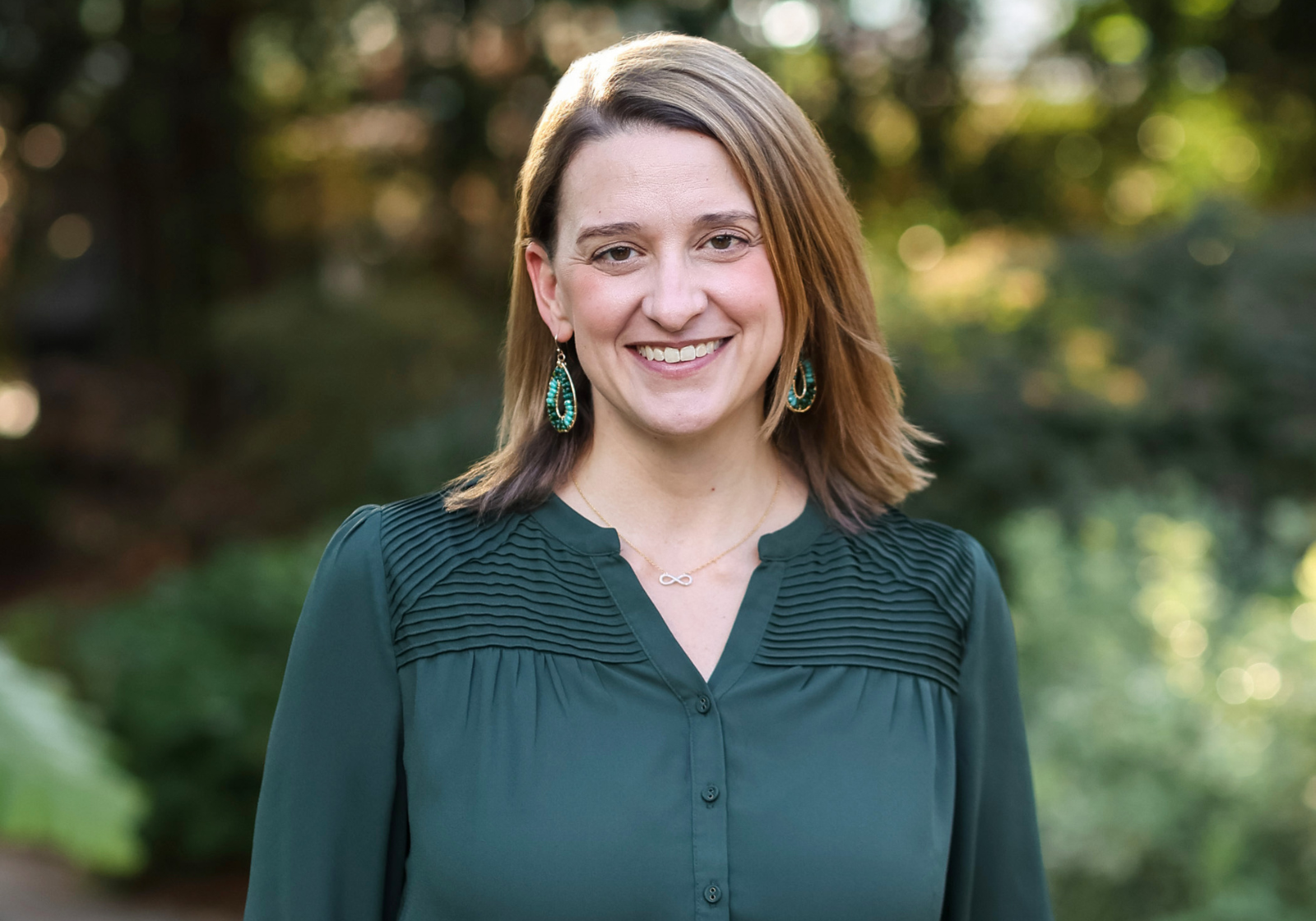
with Penny Williams

Listen on Apple Podcasts  |  Spreaker  |  Spotify  |  iHeart Radio

Somewhere along the way, we started normalizing things that should never be normal for kids. Public behavior charts. Compliance scripts delivered to dysregulated nervous systems. Support that’s only available if a child behaves “well enough.” And the cost of all of it is dignity.

In this episode, I’m naming what so many parents feel in their gut but struggle to articulate: too many systems prioritize compliance over humanity, especially for neurodivergent kids. When behavior is treated like a moral failure instead of a nervous system signal, children learn that their bodies are a problem, their needs are inconvenient, and their voices don’t matter.

I walk through real, everyday examples, like classroom behavior charts, IEP meetings where kids disappear in plain sight, “calm down” spaces that feel more like exile than support, and the familiar phrase “they know better.” These practices don’t teach skills. They teach fear, shame, and self-abandonment.

Dignity isn’t something kids earn through good behavior. It’s a basic human right. And regulation isn’t a choice — it’s biology. When we ask kids to perform regulation on demand, we’re asking them to do something their nervous system literally cannot do in that moment.

This episode isn’t about being permissive or coddling kids who struggle. It’s about being humane. It’s about choosing nervous-system-first support, privacy, co-regulation, and repair over punishment. It’s about asking one simple question before we respond: Does this preserve this child’s humanity?

I’m not neutral on this. I’m choosing dignity above all, and I’m inviting you to do the same.

🎧 Listen now and join me in changing the story for our beautifully complex kids.

Dignity is one of those words we assume is built into childhood automatically. But for many neurodivergent kids, dignity is something that gets quietly stripped away in the name of behavior management, compliance, and control.

It shows up in subtle ways that have become disturbingly normalized. A behavior chart on the wall where everyone can see which kids are “green” and which ones aren’t. Adults talking about a child’s deficits while the child sits silently nearby. A so-called sensory break that feels more like removal than support. Frustrated voices delivering compliance scripts to a body that’s already in survival mode.

None of this looks cruel on the surface. That’s what makes it so dangerous.

When a child is dysregulated, their nervous system is doing its job, protecting them from perceived threat. In that state, the thinking brain goes offline. Skills aren’t accessible. Language processing is limited. Logic and reasoning disappear. And yet, this is often the exact moment when adults demand better behavior, better choices, better control.

We tell kids they “know better,” as if knowing automatically equals doability. But biology doesn’t work that way. Regulation isn’t a moral achievement. It’s a physiological state. Treating dysregulation like defiance turns stress into shame, and shame erodes safety.

When dignity is conditional, kids learn to trade authenticity for acceptance. They mask. They freeze. They stop asking for help. They internalize the belief that their needs make them difficult or unworthy. Over time, this shapes not just behavior, but identity.

Dignity-centered support doesn’t mean the absence of structure or accountability. It means privacy instead of public correction. Choice instead of coercion. Co-regulation before correction. Repair instead of punishment. It means assuming stress before assuming “bad behavior.”

Structure without humanity is control. Humanity without guidance and support is abandonment. Kids need both, but dignity always comes first.

When we shift from controlling behavior to supporting nervous systems, everything changes. We stop asking, “How do I make this stop?” and start asking, “What does this child need to feel safe enough to do better?”

This isn’t about fixing kids. It’s about protecting them from systems that forget they are human. And when we do that, we don’t just shape behavior — we shape self-worth, resilience, and lifelong emotional health.

Choosing dignity over compliance isn’t radical. It’s human.

3 Key Takeaways
01

Dignity is not something that’s earned. It’s a basic human right that must be preserved, especially when a child is struggling or dysregulated.

02

Behavior driven by a stressed nervous system is not a character flaw. When we treat regulation as a moral issue, we unintentionally create shame, fear, and disconnection instead of growth.

03

When we choose co-regulation and repair over punishment, we aren’t lowering expectations — we’re creating the conditions where skill-building is actually possible.

What You'll Learn

How compliance-based strategies quietly strip dignity from neurodivergent kids

Why regulation is biological, not behavioral or moral

What dignity-centered support looks like in real life

How to hold accountability without shame or control

Why choosing humanity first builds long-term resilience

Resources

Some of the resources may be affiliate links, meaning I receive a commission (at no cost to you) if you use that link to make a purchase.

Subscribe to Clarity — my weekly newsletter on what’s working in business right now, delivered free, straight to your inbox.

Work with me to level up your parenting — online parent training and coaching  for neurodiverse families.

Our Sponsor

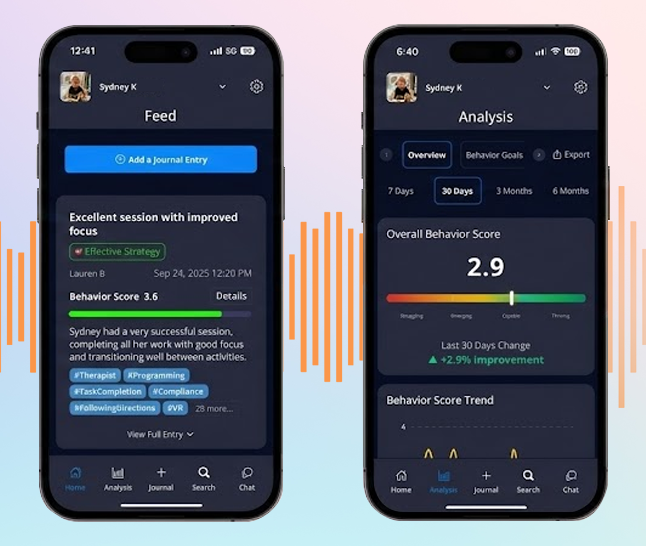
Village Metrics

Voice Journaling + AI for Parents of Neurodiverse Kids

Just talk about your child's day. VillageMetrics uses AI to find patterns, track progress, and show you what's helping. Start your free trial today.

Transcript

Episode 345 | Beautifully Complex Podcast
345 We Need to Talk About Dignity and Humanity

Penny Williams [00:00:01]: Systems claim to teach skills, but they actually rely on fear, shame, and the withdrawal of connection and affection.
Penny Williams [00:00:12]: Welcome to Beautifully Complex, where we unpack what it really means to parent neurodivergent kids with dignity and clarity. I’m Penny Williams, and I know firsthand how tough—and transformative—this journey can be. Let’s dive in and discover how to raise regulated, resilient, beautifully complex kids together.
Penny Williams [00:00:43]: We need to have a conversation about dignity and humanity. Before we get into the heart of this, I want to walk you through some examples—because we’ve crossed a line. We’ve started calling things normal that should not be normal.
Penny Williams [00:01:05]: Let’s start with the behavior chart in your child’s classroom. It’s laminated. It’s up on the wall near the teacher’s desk. Everyone can see it—teachers and kids alike.
Penny Williams [00:01:24]: There’s green, yellow, and red. Each child has a clip or a card with their name on it. When a child gets overwhelmed—not disruptive, just overwhelmed—the clip gets moved or the card gets turned. There’s no explanation. No conversation.
Penny Williams [00:01:44]: By lunch, that child knows exactly where they stand. And so does everyone else. That strips their dignity.
Penny Williams [00:01:58]: Now think about an IEP meeting. Your child is sitting at the table—or maybe just outside the door—while six adults talk about their deficits, their behaviors, their challenges. Words like noncompliant, avoidant, refuses, disrespectful get used.
Penny Williams [00:02:23]: No one asks your child how their body feels. No one notices them disappearing, folding into themselves. Their dignity has been stripped.
Penny Williams [00:02:33]: Another example: the calm-down room. The plan might say “sensory break,” which sounds thoughtful and trauma-informed. But in practice, it looks like this.
Penny Williams [00:03:01]: A child escalates. An adult escorts them out. The door closes. And the message is clear, even if it’s never spoken: Come back when you’re easier to be around. We don’t want you here if you’re a problem.
That strips dignity.
Penny Williams [00:03:23]: Or the gentle compliance script. An adult kneels and uses a calm voice: “I need you to make a good choice. Use your words. We don’t do that here.”
Penny Williams [00:03:47]: Meanwhile, the child’s body is shaking. Their breathing is shallow. They are deeply dysregulated. But the expectation stays the same: perform regulation on demand.
That strips dignity.
Penny Williams [00:04:07]: Or data points in an IEP that replace the child. “Meltdowns reduced by 40%.” What it doesn’t say is that the child stopped asking for help. Learned to freeze. Learned it was safer to disappear.
That strips dignity.
Penny Williams [00:04:36]: Then there’s the “he knows better” moment. A child acts impulsively. Maybe they blurt something out or swing after someone is unkind. An adult sighs and says, “He knows better.”
Penny Williams [00:04:54]: Knowing is not the same as being able. Shame does not build skills. It erases safety.
That strips dignity.
Penny Williams [00:05:12]: When someone tells you, “Just do it already. Stop asking questions,” how does that feel? It feels like you don’t matter.
That erases dignity and humanity.
Penny Williams [00:05:34]: Somewhere along the way, we decided that compliance matters more than humanity. Listen to how ridiculous that sounds.
No. Absolutely not.
Penny Williams [00:05:56]: This episode is about dignity. And I’m not neutral on this. If a strategy wouldn’t be acceptable for an adult, it’s not suddenly humane because the person is a child.
Kids are people, too.
Penny Williams [00:06:30]: Dignity means being treated as a full human—even when struggling, even when different. It is not earning respect through behavior. No one should have to earn humane treatment.
Penny Williams [00:07:03]: Regulation is hard. Many neurodivergent kids live close to constant nervous system activation. And then we approach that without dignity, demanding compliance.
No human should have to earn dignity.
Penny Williams [00:08:07]: Our kids are asked to sacrifice dignity for access. You can have support, but only if you comply.
Public behavior charts. Forced eye contact. Isolation. Adults talking about a child while they’re present. Taking away recess. Taking away movement. Taking away autonomy.
Autonomy is required for safety.
Penny Williams [00:09:26]: These practices teach kids that their body is a problem, their needs are inconvenient, and their voice doesn’t matter.
Penny Williams [00:10:05]: Regulation is not a moral failing. It’s biology. Would you punish someone for diabetes? Tell someone they “know better” than to use a wheelchair?
Of course not.
Penny Williams [00:11:01]: Behavior is not the opposite of dignity. Control is.
Asking for compliance for compliance’s sake is the opposite of dignity.
Penny Williams [00:11:46]: You cannot discipline a nervous system into safety. You cannot instruct it into safety.
Systems claim to teach skills, but they rely on fear, shame, and withdrawal of connection.
That is not okay.
Penny Williams [00:13:31]: If a child has to abandon their nervous system to survive school, the system is broken. The child is not.
Penny Williams [00:13:57]: So what does dignity-centered support look like?
It’s not permissive. It’s nervous-system-first. Privacy. Choice. Co-regulation before correction. Repair over punishment. Assuming stress before assuming defiance.
Penny Williams [00:15:42]: Accountability with dignity is possible. Accountability without dignity is harmful.
Structure without humanity is control. Humanity without structure is abandonment.
Penny Williams [00:16:15]: When kids grow up without dignity, they mask. They develop anxiety, shame-based identities, learned helplessness, and distrust of authority.
We’re not just shaping behavior. We’re shaping nervous systems, self-worth, and future relationships.
Penny Williams [00:17:42]: I am choosing dignity over compliance. I invite you to choose the same.
Ask yourself: Does this preserve this child’s humanity?
If the answer is no, you need to pivot.
Penny Williams [00:19:35]: This matters more than anything. We don’t need to fix neurodivergent kids—we need to protect them from systems that forget they’re human.
Please choose dignity over compliance.
For a lifetime.
Penny Williams [00:21:44]: I see you. You’re doing hard and meaningful work—and you don’t have to do it alone.

hey there!

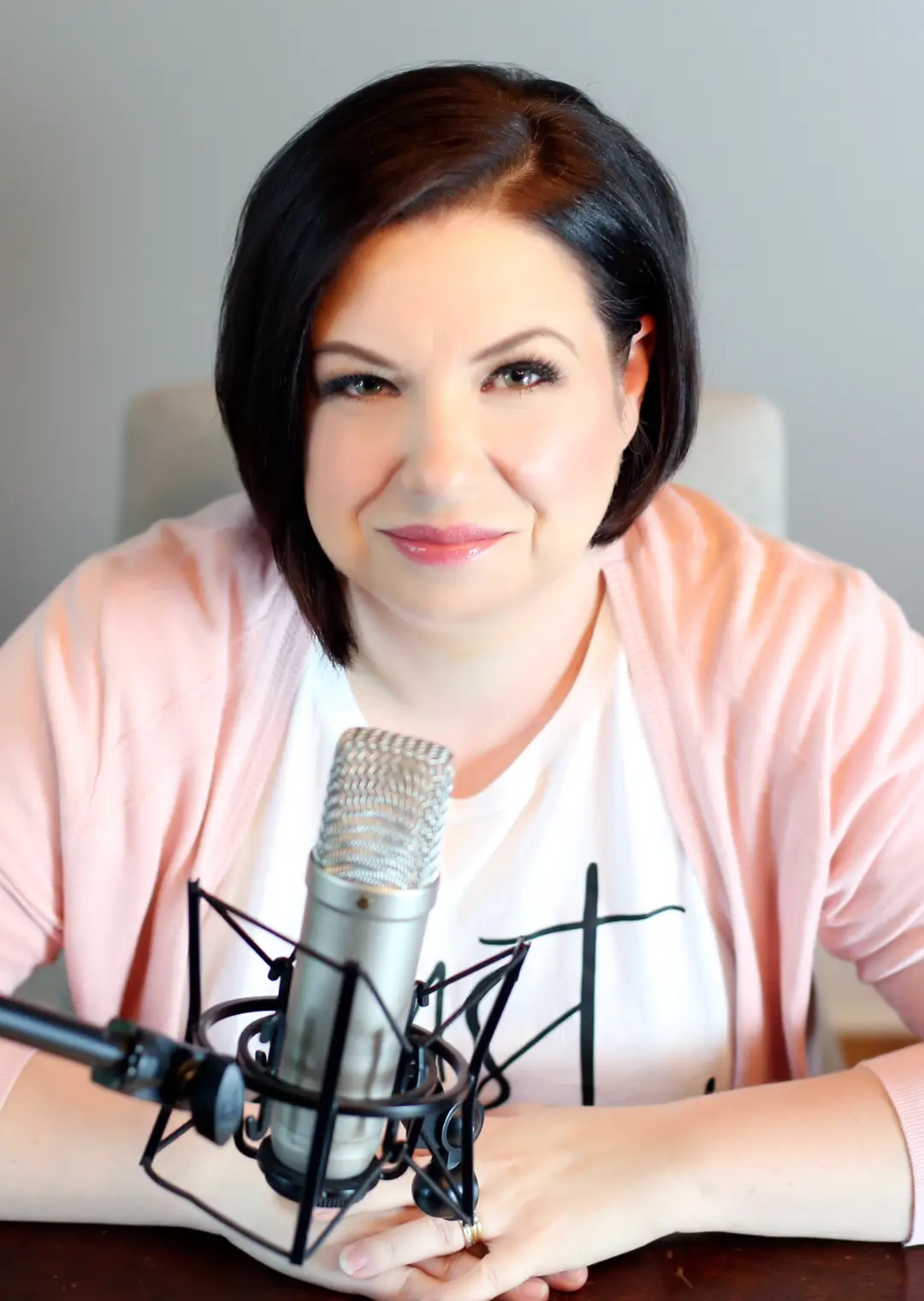
I'm your host, Penny Williams.

I help stuck and struggling parents (educators, too) make the pivots necessary to unlock success and joy for neurodivergent kids and teens, themselves, and their families. I'm honored to be part of your journey!

Hello!
I'm Penny Williams.

Host of Beautifully Complex. I help stuck and struggling parents (educators, too) make the pivots necessary to unlock success and joy for neurodivergent kids and teens, themselves, and their families. I'm honored to be part of your journey!

Free Community Hub

You don't have to do this alone! Find calm, confidence, and connection inside the FREE Beautifully Complex Parenting Hub.

Decode Your
Kid's Behavior
IN < 3 MINUTES

Take my FREE Animal Instincts Quiz to understand your child's biological stress response and get focused on what will help you and your kid RIGHT NOW.

FREE VIDEO SERIES
Quick Start: 3 High-Impact Actions to Transform Behavior

Transforming negative or unwanted behavior is a long and complex process. HOWEVER, there are a few actions you can take right now that will provide a big impact. These 3 high-impact strategies address foundational aspects of behavior, empowering you to help your child feel better so they can do better.

A Few of My Favorite Tools

Time Timer

Makes time visual.

Mighty + Bright

Manage chores and routines while building self-confidence and independence.

Mightier

Blends gaming with off-screen activities to teach coping skills through play.

Howda Hug Chair

A chair that gives kids a sensory hug.

Binge the Latest Episodes
348 Podcast Main Post Image
348: Good Sleep for Neurodivergent Kids
If bedtime feels like a battle, this episode unpacks why neurodivergent kids struggle with sleep and what truly helps, from circadian rhythms to calming a racing mind.
347 Podcast Main Post Image
347: Accommodations That Reduce Cognitive Load Restore Motivation
Jeff Copper explains motivation as a two-force system, why extra time prolongs suffering, and how adaptive accommodations reduce executive function strain in ADHD.
346 Podcast Main Post Image
346: Teaching Kids Friendship Skills
Teaching neurodivergent kids friendship skills: reading social cues, building empathy, staying authentic, and knowing when to step in or step back.
344 Main Post Image
344: What to Do When You Run Out of Compassion
For the parent who loves deeply but feels emotionally spent. This conversation names what’s happening and offers compassion where you need it most.
Share your thoughts

Leave a Reply

Start Typing

14 days to fewer meltdowns and easier days.

You don’t need more discipline or another parenting trick.

This 14-day reset shows you what to do before, during, and after meltdowns so life starts feeling doable again.

Get instant access for just $23 USD.