339: When Hope Feels Heavy: Permission to Start A New Year Without Optimism

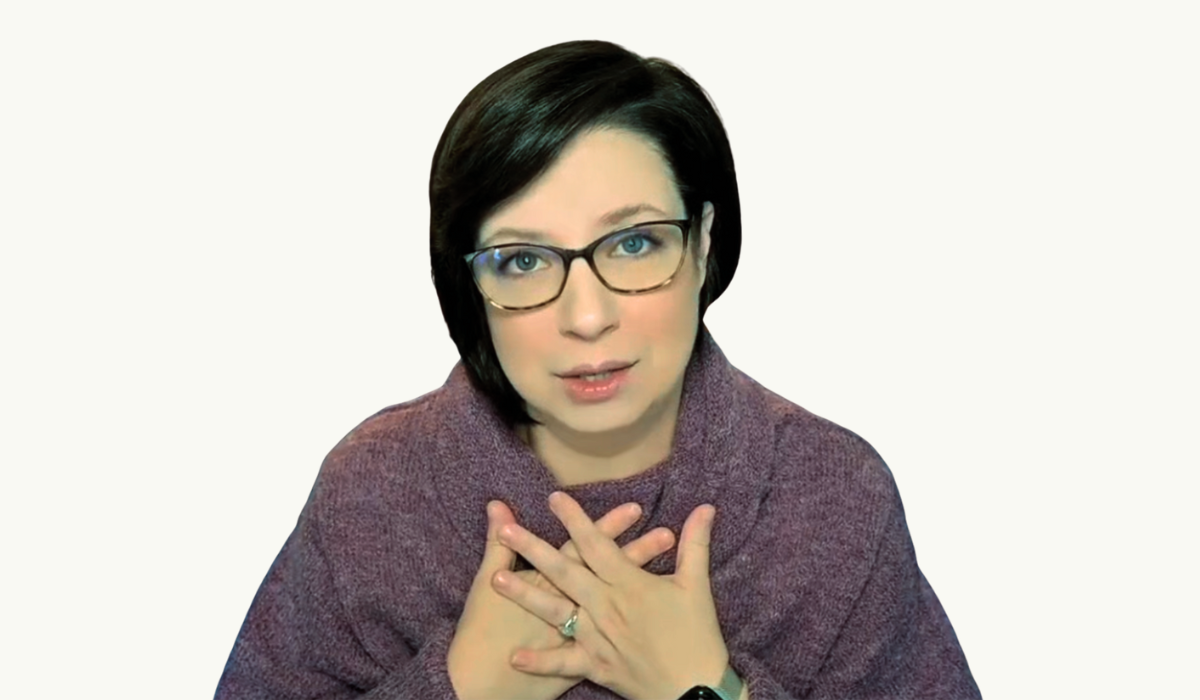
with Penny Williams

Listen on Apple Podcasts  |  Spreaker  |  Spotify  |  iHeart Radio

There are moments in parenting when hope doesn’t feel light or motivating — it feels heavy. Like something we’re expected to carry when we’re already exhausted. If you’re walking into a new year feeling worn down instead of inspired, this episode is for you.

I recorded this specifically for New Years, a day filled with pressure to feel optimistic, goal-driven, and ready for a fresh start. But the truth is, I wasn’t feeling hopeful. I was tired. Uncertain. Emotional. And rather than masking that or forcing a shiny version of hope, I wanted to talk honestly about a different kind of hope — one that doesn’t require belief, certainty, or high energy.

This episode is about redefining hope in a way that actually works for parents of neurodivergent kids. Hope that sounds like: I don’t know how this will turn out, but I’m still here. Hope that lives in tiny steps, support, steadiness, and permission to begin without confidence.

We talk about burnout as information, not failure. About why pushing harder never lifts burnout, and what actually does. About capacity instead of goals, responsiveness instead of consistency, and support instead of pressure. And about why your child doesn’t need a “new year, new you” — they just need you, depleted less and supported more.

If you’re starting this year feeling heavy, unsure, or worn thin, you’re not alone. You don’t need optimism to take the next step. You need care. Support. And a reminder that you don’t have to do this alone.

Listen in for a grounding, compassionate reframe that meets you exactly where you are.

Hope is often treated like a requirement. Something we’re supposed to summon on demand, especially at the start of a new year. But when you’re parenting a neurodivergent child, hope can feel complicated. Fragile. Even painful. Because hoping deeply can mean hurting deeply when things don’t unfold the way you imagined.

Many parents enter January already depleted. Months of school stress, advocacy, emotional labor, disrupted routines, and holiday overload take a real toll on the nervous system. Burnout doesn’t magically reset when the calendar flips. And yet, we’re surrounded by messages telling us to try harder, aim higher, and push forward with confidence.

But burnout isn’t a motivation problem. It’s a capacity problem.

When the nervous system is overwhelmed, optimism isn’t accessible. Vision feels foggy. Energy is scarce. And forcing hope — especially the shiny, certainty-based kind — often adds more pressure instead of relief.

What if hope didn’t have to look like believing everything will work out?

There is another version of hope. One rooted in steadiness, not certainty. It sounds like, I don’t know how this will unfold, but I haven’t quit. It lives in starting scared. Starting tired. Starting without confidence, but with support.

Burnout is information. Just like behavior, it’s a signal. It tells us we need less demand, less pressure, less problem-solving and more care. More regulation. More permission to slow down.

Instead of focusing on goals, it can help to focus on capacity. What is doable right now? What feels hardest… not everything, just one thing? Instead of striving for consistency, responsiveness matters more. Meeting the moment with flexibility honors both the parent’s nervous system and the child’s.

When parents feel better, they can do better. This isn’t about becoming a different parent. It’s about feeling like yourself again.

Children don’t need a transformed version of their parent. They need safety. Presence. Connection. And a caregiver who isn’t carrying everything alone.

Real change doesn’t come from pushing harder. It comes from lowering pressure and increasing support. From pacing instead of forcing. From prioritizing nervous system regulation over performance.

Hope, in this sense, isn’t optimism. It’s support. It’s the next tiny step. It’s allowing yourself to begin, even when belief hasn’t caught up yet.

And that kind of hope is always available.

3 Key Takeaways

01

Hope doesn’t have to be loud or optimistic to be real. It can be quiet, steady, and grounded in simply continuing… without certainty, without energy, and without pretending everything is okay.

02

Burnout is not a failure; it’s information. When parents are burned out, the nervous system is asking for less pressure, less demand, and more support — not more effort or resolve.

03

Kids don’t need a “new year” version of their parent. They need safety, connection, and caregivers who are supported enough to show up with presence and compassion.

What You'll Learn

How to redefine hope when optimism feels inaccessible

Why burnout is a nervous system signal, not a personal failure

How focusing on capacity can feel more supportive than setting goals

Why responsiveness matters more than consistency when things are hard

How support — not pushing — creates real change for you and your child

Resources

Some of the resources may be affiliate links, meaning I receive a commission (at no cost to you) if you use that link to make a purchase.

Subscribe to Clarity — my weekly newsletter on what’s working in business right now, delivered free, straight to your inbox.

Work with me to level up your parenting — online parent training and coaching  for neurodiverse families.

Transcript

Beautifully Complex 339
When Hope Feels Heavy: Permission to Start A New Year Without Optimism
with Penny Williams

Penny Williams [00:00:01]: There is another kind of hope that doesn’t require pretending that we’re okay. It doesn’t require masking. It sounds more like this: I don’t know how this is going to unfold yet, but I’m still here. I don’t have answers, but I have not quit. And I’m allowed to begin without belief—just a willingness to begin.
Penny Williams [00:00:31]: Welcome to Beautifully Complex, where we unpack what it really means to parent neurodivergent kids with dignity and clarity. I’m Penny Williams, and I know firsthand how tough and transformative this journey can be. Let’s dive in and discover how to raise regulated, resilient, beautifully complex kids together. If you want more support, join our free community at Hub.BeautifullyComplexLife.com.
Penny Williams [00:01:01]: Hi friends. Thank you so much for joining me today. It’s January 1st, and if you’re listening on release day, this is a date that comes with a lot of expectations. We’re taught to set resolutions, to work harder, to do more so we can achieve more. We’re told this is a fresh start.
I wanted to record a hopeful message for you. But this morning, I was brought to tears—because I’m not feeling particularly hopeful myself. I’m struggling. And I’m committed to showing up for you in a real, genuine way.
I’ve had a long love-hate relationship with hope. I wrote about it back in 2015—how getting hopeful can hurt when things don’t work out. Sometimes it feels safer not to hope at all.
What I realized is that there is a message of hope I can share right now—but it’s not the shiny, forward-looking kind we associate with New Year’s. And that’s exactly why it matters.
Penny Williams [00:03:40]: The kind of hope we usually talk about requires certainty. Vision. Energy. Nervous system bandwidth. And I don’t have those things today.
That kind of hope sounds like, This year will be different. I see the path forward. But when you’re really tired—deeply tired—those things just aren’t accessible.
So instead, I want to talk about a different kind of hope. One that doesn’t require pretending. One that doesn’t require masking.
Penny Williams [00:04:19]: It sounds like: I don’t know how this will unfold, but I’m still here. I haven’t quit. I’m allowed to begin without belief.
So many parents of neurodivergent kids enter January exhausted, not inspired. We’ve had months of school struggles, holiday stress, financial pressure, family dynamics. Parenting is already hard. December takes a lot. And then we’re expected to slide into January like everything is suddenly fine.
If you’re starting this year feeling heavy instead of hopeful, I want you to know—you’re not alone. I’m right there too.
Penny Williams [00:05:51]: It is okay to feel how you feel. As I prepared to record this episode, I struggled with how to offer hope when I wasn’t feeling it myself. I cried. I reached out to friends. One dear friend just listened with compassion while I sobbed.
And that reminded me: sometimes what we need most isn’t answers—it’s being held emotionally.
So what can we do with how we’re feeling?
Penny Williams [00:06:29]: We can reframe hope.
Hope is usually framed as certainty—that things will improve, that the future will be brighter. But that kind of hope requires energy. And burnout drains energy.
Burnout isn’t failure. It’s information.
Just like behavior is communication, burnout is a signal. It tells us what we need. It tells us we need less demand, less pressure, less problem-solving. Not more resolve. Not pretending everything is okay.
Penny Williams [00:08:15]: Our bodies are saying, I need less. Less sensory input. Less struggle. Less carrying it all alone.
When hope feels inaccessible, we can’t force it. We don’t need optimism. We need a new definition.
Hope doesn’t have to be optimism.
It can be support. It can be steadiness. It can be permission. It can be one tiny, doable next step.
Sometimes, taking a small step forward is practicing hope.
Penny Williams [00:10:55]: Beginning doesn’t require confidence. We think it does—but it doesn’t. It requires safety. And knowing you’re not alone.
Instead of believing everything will work out, we can choose not to carry everything alone.
We don’t need to know what the next year will hold. We need a place to set things down when they get heavy.
Penny Williams [00:13:15]: So let’s reframe a few things.
Instead of asking what needs fixing, ask: What feels hardest right now? Just one thing.
Instead of goals, think about capacity. This year, my word is “capacity.” I need to honor my own capacity—not just what needs to get done.
Instead of consistency, let’s think about responsiveness. Consistency is hard when things are heavy. Responsiveness allows flexibility and compassion.
Penny Williams [00:15:27]: And instead of doing more—please stop trying to do more—we need to reduce friction and focus on feeling better.
When people feel good, they can do good. If we don’t feel good, we can’t show up the way we want to.
Your child doesn’t need a transformed version of you. They need you depleted less and supported more.
Burnout doesn’t lift because we try harder. It lifts when we stop doing it all—and stop doing it alone.
Penny Williams [00:17:09]: So if this is the year you stop pushing and start supporting yourself, I’m here for that.
You don’t need hope to take the next step. You need care. Support. And the rest will grow from there.
Please take good care. I’ll see you next time.
Penny Williams [00:23:10]: I see you. You’re doing hard and meaningful work, and you don’t have to do it alone. If this episode helped, share it and leave a review so others can find this support too.

Hey there!

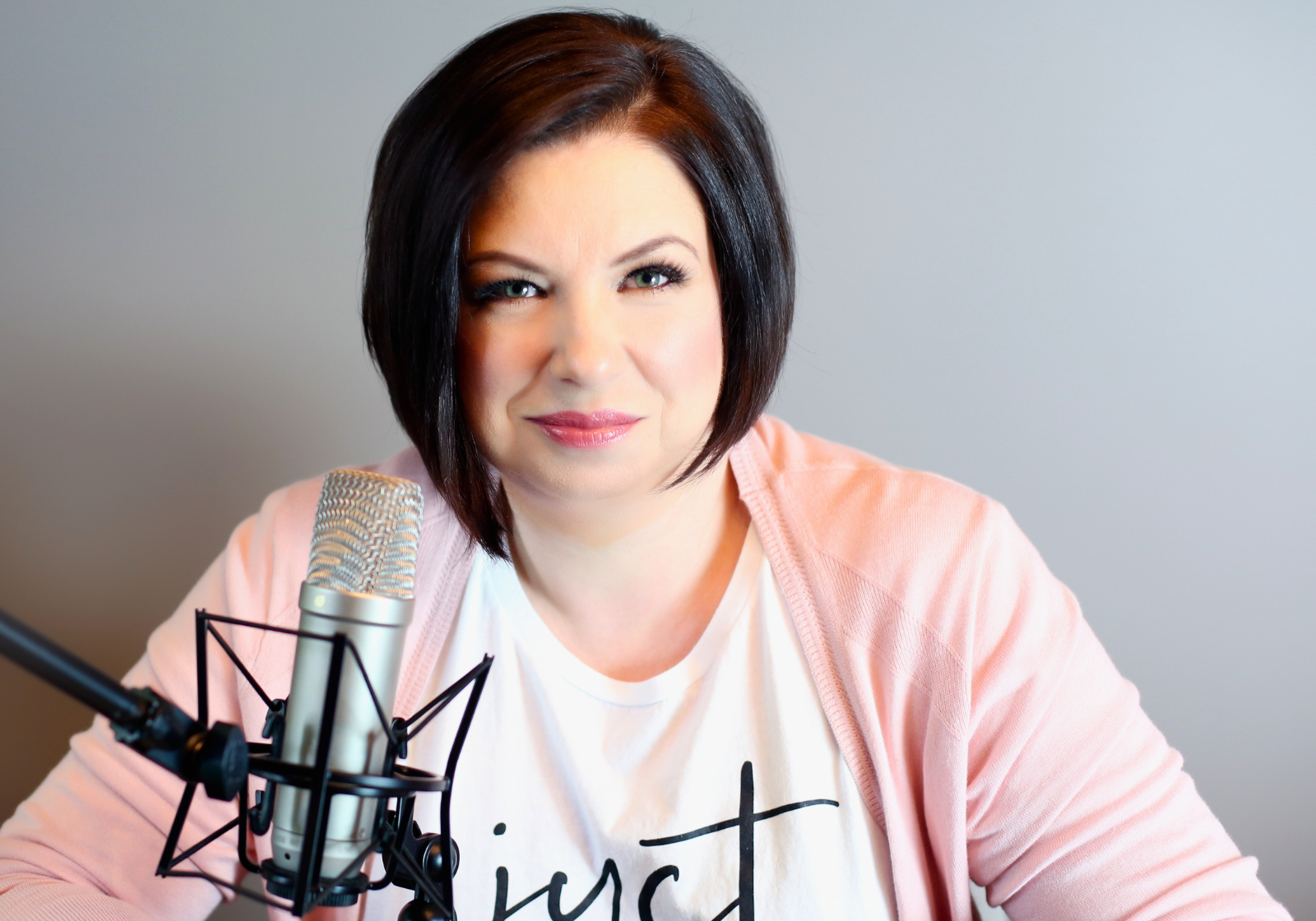
I'm your host, Penny Williams.

I help stuck and struggling parents (educators, too) make the pivots necessary to unlock success and joy for neurodivergent kids and teens, themselves, and their families. I'm honored to be part of your journey!

Hello!
I'm Penny Williams.

Host of Beautifully Complex. I help stuck and struggling parents (educators, too) make the pivots necessary to unlock success and joy for neurodivergent kids and teens, themselves, and their families. I'm honored to be part of your journey!

Free Community Hub

You don't have to do this alone! Find calm, confidence, and connection inside the FREE Beautifully Complex Parenting Hub.

Decode Your
Kid's Behavior
IN < 3 MINUTES

Take my FREE Animal Instincts Quiz to understand your child's biological stress response and get focused on what will help you and your kid RIGHT NOW.

FREE VIDEO SERIES
Quick Start: 3 High-Impact Actions to Transform Behavior

Transforming negative or unwanted behavior is a long and complex process. HOWEVER, there are a few actions you can take right now that will provide a big impact. These 3 high-impact strategies address foundational aspects of behavior, empowering you to help your child feel better so they can do better.

A Few of My Favorite Tools

Time Timer

Makes time visual.

Mighty + Bright

Manage chores and routines while building self-confidence and independence.

Mightier

Blends gaming with off-screen activities to teach coping skills through play.

Howda Hug Chair

A chair that gives kids a sensory hug.

Binge the Latest Episodes
346 Podcast Main Post Image
346: Teaching Kids Friendship Skills
Teaching neurodivergent kids friendship skills: reading social cues, building empathy, staying authentic, and knowing when to step in or step back.
345 Podcast Main Post Image
345: We Need to Talk About Dignity and Humanity
Compliance-first systems harm neurodivergent kids. This episode explores dignity, nervous systems, and why choosing humanity over control changes everything.
344 Main Post Image
344: What to Do When You Run Out of Compassion
For the parent who loves deeply but feels emotionally spent. This conversation names what’s happening and offers compassion where you need it most.
penny
343: It Isn’t Disrespect. It’s a Biological Response to Stress
That “disrespectful” behavior is stress, not defiance. Learn why correction backfires and what actually helps your child calm and learn.
Share your thoughts

Leave a Reply

Start Typing

14 days to fewer meltdowns and easier days.

You don’t need more discipline or another parenting trick.

This 14-day reset shows you what to do before, during, and after meltdowns so life starts feeling doable again.

Get instant access for just $23 USD.