338: It’s the Small Things that Make the Biggest Impact

with Penny Williams

Listen on Apple Podcasts  |  Spreaker  |  Spotify  |  iHeart Radio

Some of the most meaningful shifts in parenting don’t arrive with fireworks or finish lines. They arrive quietly, in the moments we almost miss. I’ve been noticing how much growth hides beneath the surface, both in our kids and in ourselves. And honestly, most of it looks nothing like the traditional markers of success we’re conditioned to watch for.

Our neurodivergent kids build skills slowly, internally, and often invisibly. Their progress lives in nervous system shifts, not milestones. It’s in the way they repair a little faster after a rupture. It’s in the moment they come back to the table after taking a breather instead of refusing altogether. It’s in how we pause before reacting, catch our breath, and choose connection over correction. Those small things are not small at all. They’re the roots of emotional intelligence, resilience, and long-term regulation. And roots take time.

This episode is an invitation to see the tiny glimmers you’ve overlooked this past year, because you have moved forward, even if it didn’t look dramatic from the outside. You’ll hear why the nervous system learns through repetition, not grand gestures; how micro-wins compound like a snowball; and how the tiniest cues of safety create a very real pathway toward thriving.

I’m also sharing a short year-end reflection practice to help you notice the moments that mattered, soften self-doubt, and step into 2026 with intention, compassion, and doable hope.

You are not alone. And you’ve done more than you think.

Press play to hear the full conversation.

Parenting a neurodivergent child, teen, or young adult can feel like you’re living inside a constant storm — one minute calm, the next swept into dysregulation, overwhelm, or a tidal wave of emotions. In the middle of that whirlwind, it’s so easy to believe nothing is changing, or that the hard parts are somehow reflections of your parenting. But growth rarely shows up in dramatic, sweeping transformations. More often, it happens in tiny, nearly invisible shifts that quietly reshape everything.

Our children’s nervous systems develop through repetition and safety, not pressure or performance. A child doesn’t suddenly wake up able to regulate big emotions or adapt to change because we set enough rules or consequences. Their progress is internal — slow, layered, and tender. It’s more like a root system than a checklist. We can’t see those roots forming, but they’re what make stability, confidence, and resilience possible later.

And the truth is, these roots grow through small moments. When your child takes a short break and then comes back to the task instead of shutting down for hours, that’s a shift. When a rupture that once lasted days now repairs in 20 minutes, that’s a shift. When you pause long enough to notice your own activation before reacting, choosing connection instead of control, that’s a shift, too. These little moments are evidence that your child is wiring new pathways for emotional regulation, and you’re wiring new pathways in your own nervous system right alongside them.

But because our brains are biased toward threat, we tend to overlook micro-wins. Historically, being on alert kept humans alive, so our nervous systems still amplify what feels hard and minimize what feels safe. That means the small signs of progress get drowned out by the noise of daily challenges. We have to train ourselves to notice the good on purpose.

This awareness doesn’t just make you feel better, it regulates your nervous system, models emotional intelligence for your child, and strengthens the connection between you. Safety grows from these tiny cues: a gentle tone, a validating comment, a simple sticky note that says, “I noticed this today, and I’m proud of you.” When we repeat small signals of safety, we create the conditions for bigger growth later.

Think of it as building a snowball. You start with a handful of flakes, barely anything. But as you roll, each tiny addition compounds until something substantial forms. Parenting works the same way. Progress builds slowly, from the inside out.

As the year comes to a close, give yourself permission to count every small thing. You are doing meaningful, life-changing work, even if it doesn’t feel monumental in the moment. And your child feels the difference, even if they can’t name it yet.

3 Key Takeaways

01

So much of your child’s growth is happening deep beneath the surface. When you stop measuring progress by external achievements and start noticing internal capacity — shorter repairs, softer moments, tiny returns after breaks — you begin to see how much is really shifting.

02

You’re growing, too. Every time you pause before reacting, choose curiosity over control, or name what your nervous system is experiencing, you’re creating a safer emotional landscape for your child to learn in. Those micro-moments of awareness matter.

03

Small wins compound over time. They build trust, emotional intelligence, and nervous system safety. Even on the hardest days, these subtle signals of growth are shaping your family’s long-term trajectory.

What You'll Learn

How tiny nervous system shifts create long-term emotional regulation

Why small wins matter more than traditional milestones

Ways to spot micro-growth in your child and yourself

How connection-based cues build safety and resilience

A simple year-end reflection practice to strengthen clarity and hope

Resources

Some of the resources may be affiliate links, meaning I receive a commission (at no cost to you) if you use that link to make a purchase.

Subscribe to Clarity — my weekly newsletter on what’s working in business right now, delivered free, straight to your inbox.

Work with me to level up your parenting — online parent training and coaching  for neurodiverse families.

Transcript

Beautifully Complex Episode 338
It’s the Small Things that Make the Biggest Impact, with Penny Williams

Penny Williams [00:00:01]:
We’re looking beyond surface progress—things like finishing a grade or hitting traditional milestones. What matters most are the internal management skills our kids are slowly building. These are the skills that help them thrive.
Penny Williams [00:00:28]:
Welcome to Beautifully Complex, where we explore what it really means to parent neurodivergent kids with dignity and clarity. I’m Penny Williams. Let’s discover how to raise regulated, resilient, beautifully complex kids together.
Penny Williams [00:00:48]:
If you want more support, join our free community at hub.beautifullycomplex.life.
Penny Williams [00:00:58]:
Welcome back, friends. Today I’m talking about how the small things often make the biggest impact. At the end of each year, I like to reflect on what has gone well. Parenting neurodivergent kids brings plenty of hard moments, so noticing the tiny victories matters. You’ve done more this year than you realize.
Penny Williams [00:01:48]:
Progress may not feel big or dramatic, but it is happening. For my own son, who is now 23, I’ve noticed growth in his ability to think about his future—which has been tough because of ADHD, time blindness, and the “now vs. not-now” experience.
This conversation is really about strengthening the roots we can’t see. Beneath the surface, our kids are building emotional intelligence, resilience, and internal capacity. That’s the real foundation for thriving.
Penny Williams [00:03:44]:
The nervous system learns through repetition, not grand gestures. It looks for “glimmers”—small cues of safety. These tiny moments help the body exhale and feel capable. For me, glimmers include toes in the sand, a beautiful sunset, mountain shadows. These micro-moments tell the nervous system, “I’m okay.”
Penny Williams [00:04:35]:
We want to repeat these tiny cues of safety. No one goes from highly sensitive to feeling safe 99% of the time. We all ebb and flow through regulation. The goal is to build gradual safety through small moments.
Penny Williams [00:05:16]:
Think of it like building a snowball. You start with a handful of snow. Every small addition makes it bigger. Connection works the same way—a note on your child’s door, noticing when they follow through with less prompting, offering encouragement without expectation.
Penny Williams [00:05:53]:
We tend to overlook micro-wins because we’re exhausted or comparing ourselves to others. Our brains are wired to notice danger more than safety. But these tiny moments matter deeply.
Penny Williams [00:07:50]:
With daily mindfulness, you can train yourself to see one small win each day. That alone builds safety—and models a powerful practice for your child.
Penny Williams [00:08:58]:
Examples of small wins:
A child who still dislikes homework but now comes back after a break.
A teen who repairs in 20 minutes instead of three days.
A parent who catches their own dysregulation before reacting.
These aren’t small. They’re new neural pathways forming.
Penny Williams [00:10:57]:
Using a nervous-system-first lens helps you understand what your child actually needs—movement, quiet, slower pacing—and builds emotional intelligence over time.
Penny Williams [00:12:16]:
Co-regulation changes your child’s trajectory quietly and steadily. Safety and connection build doability, joy, and long-term growth. Breakthroughs aren’t sudden—they’re lived in, built moment by moment.
Penny Williams [00:13:00]:
Reflect on where your child showed micro-growth this year. Where did things go a little better than before?
Penny Williams [00:14:00]:
You might feel doubt or feel unseen. But your effort matters more than you know. Your child feels the difference, even if they can’t name it.
Penny Williams [00:14:35]:
Progress is forward movement, even if it’s slow or includes regression. A simple reflection practice for the end of the year:
• Name one moment your child showed a new skill or capacity.
• Name one moment you responded differently than you would have a year ago.
• Name one pattern that has softened.
• Name one intention you want to carry into 2026—small and doable.
Penny Williams [00:16:36]:
Small things are actually big things. Notice a micro-win today and let it matter.
Penny Williams [00:17:24]:
You are not alone. There are so many parents listening who feel the same way. I’m here to walk this path with you.
Penny Williams [00:17:45]:
Visit parentingadhdandautism.com for show notes and resources. See you next episode.
Penny Williams [00:17:58]:
You’re doing hard, meaningful work. If this episode helped you, share it and leave a review. When you’re ready for next steps, visit regulatedkids.com.

Hey there!

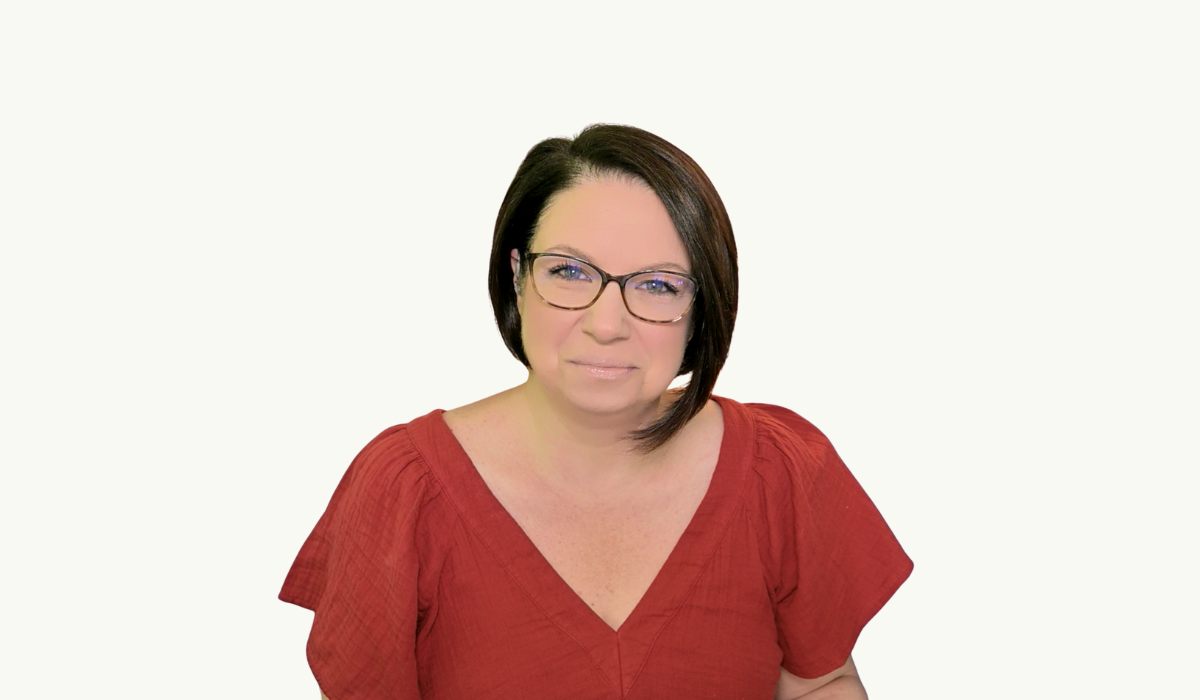
I'm your host, Penny Williams.

I help stuck and struggling parents (educators, too) make the pivots necessary to unlock success and joy for neurodivergent kids and teens, themselves, and their families. I'm honored to be part of your journey!

Hello!
I'm Penny Williams.

Host of Beautifully Complex. I help stuck and struggling parents (educators, too) make the pivots necessary to unlock success and joy for neurodivergent kids and teens, themselves, and their families. I'm honored to be part of your journey!

Free Community Hub

You don't have to do this alone! Find calm, confidence, and connection inside the FREE Beautifully Complex Parenting Hub.

Decode Your
Kid's Behavior
IN < 3 MINUTES

Take my FREE Animal Instincts Quiz to understand your child's biological stress response and get focused on what will help you and your kid RIGHT NOW.

FREE VIDEO SERIES
Quick Start: 3 High-Impact Actions to Transform Behavior

Transforming negative or unwanted behavior is a long and complex process. HOWEVER, there are a few actions you can take right now that will provide a big impact. These 3 high-impact strategies address foundational aspects of behavior, empowering you to help your child feel better so they can do better.

A Few of My Favorite Tools

Time Timer

Makes time visual.

Mighty + Bright

Manage chores and routines while building self-confidence and independence.

Mightier

Blends gaming with off-screen activities to teach coping skills through play.

Howda Hug Chair

A chair that gives kids a sensory hug.

Binge the Latest Episodes
341-Featured
341: Building Bravery in Anxious Kids
Learn how to build bravery in anxious, neurodivergent kids using emotional regulation, trust, and nervous system support.
340-Featured
340: Finding the Balance Between Supporting & Enabling
Where is the line between supporting and enabling neurodivergent kids with ADHD and autism? A compassionate, executive-function-informed reframe for parents.
339-Featured
339: When Hope Feels Heavy: Permission to Start A New Year Without Optimism
When hope feels heavy, support matters more than optimism. A compassionate reframe on burnout, emotional regulation, and parenting neurodivergent kids with ADHD and autism.
337-Featured
337: Building Executive Function Supports into Your Everyday Lives
Learn simple ways to support executive function in neurodivergent kids using gentle, practical strategies grounded in skill-building and connection.
Share your thoughts

Leave a Reply

Start Typing

14 days to fewer meltdowns and easier days.

You don’t need more discipline or another parenting trick.

This 14-day reset shows you what to do before, during, and after meltdowns so life starts feeling doable again.

Get instant access for just $23 USD.