371: How Honesty (Not Reassurance) Is What Gets Your Kid Through Middle School
with Dr. Kim Pinckney
Listen on Apple Podcasts | Spreaker | Spotify | iHeart Radio
One day my son was eye level with me. The next, he wasn’t. His sense of who his friends actually were was now off.
That’s the thing about middle school and puberty: it feels sudden, but the buildup has been happening for a while, and if we’re not watching closely, we miss the window to prepare our kids for what’s coming.
I’m talking with Dr. Kim Pinckney, instructional designer, performance improvement coach, and mom of a neurodivergent son, about the physical, social, and emotional shifts that show up as our kids head into middle school. We talk about the subtle early signs, a growth spurt, a new curiosity about what other kids are doing, that come before the big emotional stuff hits.
We also dig into something I think about a lot: the language adults use around our kids, especially the word “friend.” When everyone in a classroom is called a friend, or a therapist introduces themselves that way, our neurodivergent kids can be left without the tools to tell the difference between someone who’s friendly and someone who’s actually a friend. Kim shares how she’s had to gently, repeatedly help her son see that difference, and why that honesty, even when it stings both of you, is what actually builds trust.
We talk about co-regulation instead of fixing, about letting our kids feel the sting of an uncertain day instead of promising them a good one, and about the moment it finally does get better. Because it does.
If your kid is approaching middle school, or is deep in it right now, this conversation will give you language, and permission, to be honest with them. Listen now.
Somewhere in nearly every elementary school classroom, a well-meaning adult says it without a second thought: “Say hi to your friends.” “Everybody here is a friend.” The word gets handed out generously, a kind of shorthand for “these are the people in your space.” For most kids, that vagueness doesn’t matter much. They quietly sort out, on their own timeline, which classmates are real friends and which are simply classmates.
For neurodivergent kids, that sorting-out process often doesn’t happen automatically. As they move into middle school and puberty, the gap between what they’ve been told and what’s actually true starts to matter a great deal more.
Dr. Kim Pinckney, an instructional designer, performance improvement coach, and special education advocate, has watched this unfold with her own son, who has an expressive and receptive speech delay. For years, one of his IEP goals was learning to introduce himself and start a conversation with peers, a reasonable goal for a young child. But goals like that rarely get revisited as kids get older and their bodies change. “It’s one thing when you do that when a kiddo is cute and little,” Pinckney says. “It’s another thing when that kid is five-eight and looks grown, but is approaching a stranger the same way he did in kindergarten.”
The mismatch, Pinckney argues, is rarely about the child doing something wrong. It’s about adults not updating the caveats that go along with a skill as a child matures. Introducing yourself is still a good skill. Recognizing when someone isn’t interested is the caveat nobody teaches alongside it.
Part of the problem, Pinckney says, is language. Therapists, teachers, and well-meaning adults routinely refer to peers and even clients as “friends,” collapsing a whole spectrum of relationships into a single, comforting word. In the short term, it builds safety. In the long term, it can leave a child without the tools to recognize when someone isn’t actually acting like a friend at all.
That gap becomes especially painful in adolescence, when peer relationships take on new emotional weight. Pinckney describes having to gently, repeatedly show her son the difference between real reciprocity and someone who is simply being polite, sometimes after watching him hold onto hope for a friendship that wasn’t there. It isn’t a comfortable role for a parent to play, but she’s found that kids don’t need to be protected from disappointment so much as they need someone willing to name reality honestly and stay close while they feel it.
That honesty extends beyond friendship. Pinckney recalls dropping her son off at a new school and telling him to have a great day, only to watch him pause, turn around, and say, “Mom, I don’t know what type of day I’m going to have.” It was a request, she realized, not for false certainty, but for truth and steady presence instead.
The bigger developmental task of middle school, then, isn’t just managing hormones or new social dynamics. It’s building a shared, honest vocabulary, one that distinguishes friendly from friend, that lets kids feel the sting of an uncertain day without a parent trying to talk them out of it, and that gives neurodivergent kids the same clear-eyed tools their peers are often left to figure out on their own.
The subtle signs that puberty and the social shifts of middle school are starting, a growth spurt, a new curiosity about peers, a shift in how your child talks about other kids, show up long before the big emotional moments do, and noticing them early gives you time to prepare.
Being honest with our kids about the difference between someone being friendly and someone actually being a friend is one of the kindest things we can do, even when it means gently breaking their heart in the process.
Middle school can be brutal, but it’s not the end of the story. Kids do find their real people, and when they do, everyone in the family feels it.
The early, subtle signs that puberty and the social shifts of middle school are starting, long before the obvious ones show up
Why the language adults use around your child, especially the word “friend,” matters more than it seems, and how to be more precise with it
How to gently and honestly help your child recognize the difference between someone being friendly and someone actually being a friend
Why letting your child feel the sting of an uncertain or hard day, instead of promising them a good one, actually builds trust
How to keep helping your child find environments and activities where they can discover their real people, even after a rough social experience
My Guest
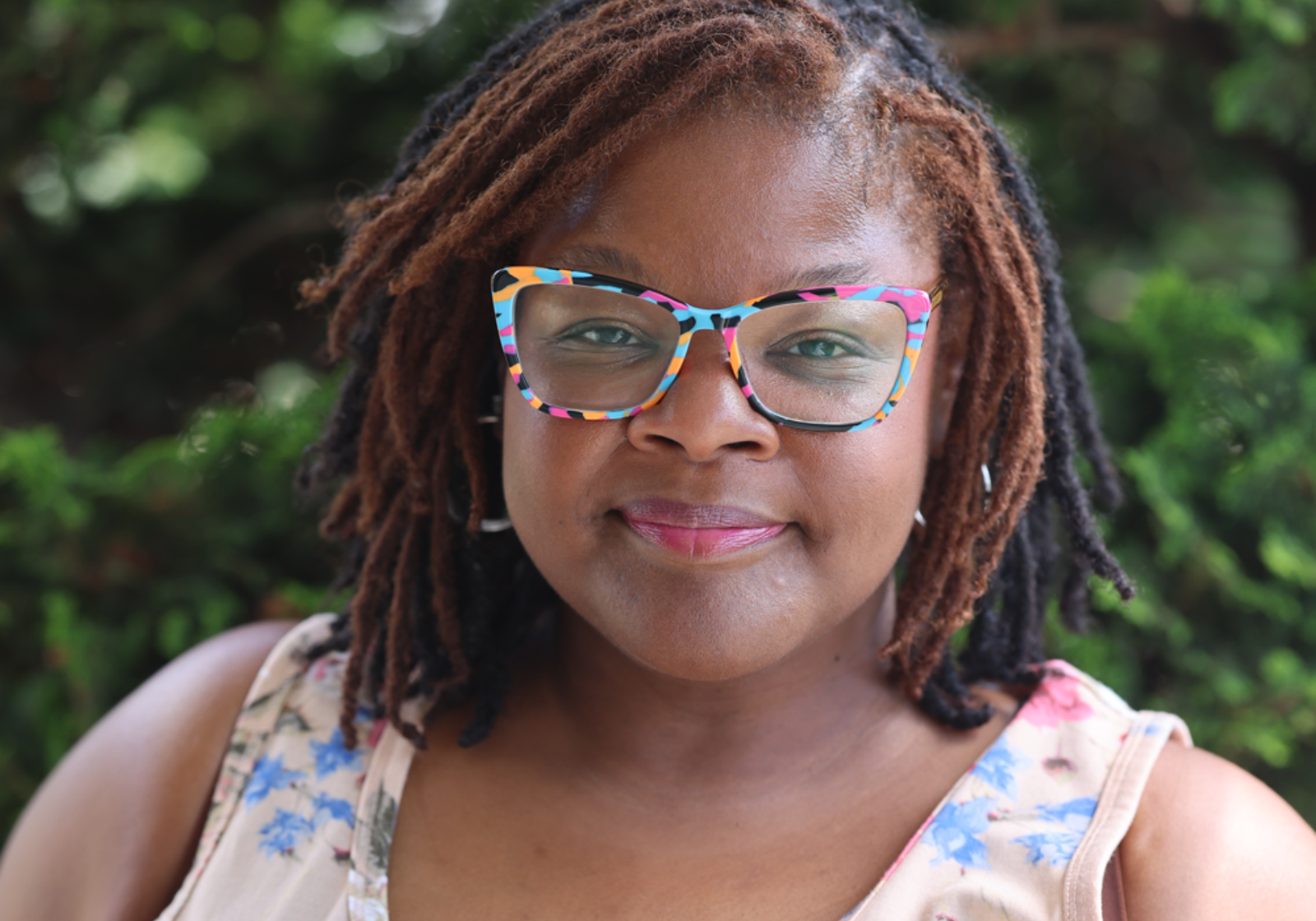
Dr. Kim Pinckney
Dr. Pinckney is a prominent voice in disability advocacy, frequently sharing her insights at national forums such as the Council for Exceptional Children Convention and on Capitol Hill. She brings a unique and vital lens to her work as the proud mother of a neurodivergent teenager, fueling her dedication to spearheading meaningful change in K-12 education and beyond. Through her work, she continues to challenge traditional narratives and open exceptional possibilities for students with diverse needs, ensuring their experiences are authentically reflected and valued.
Resources
Some of the resources may be affiliate links, meaning I receive a commission (at no cost to you) if you use that link to make a purchase.
Subscribe to Clarity — my weekly newsletter on what’s working in business right now, delivered free, straight to your inbox.
371 How Honesty (Not Reassurance) Is What Gets Your Kid Through Middle School, with Dr. Kim Pinckney
Penny Williams: [00:00:00] Welcome, everyone. I am thrilled to have Dr. Kim Pinckney with me here on the podcast to talk about middle school and puberty. I feel like I have to whisper — uh-oh, right? This is gonna be tough. And it is, and that's why we're here talking about it. So before we jump in, will you let everybody know who you are and what you do?
Kim Pinckney: I sure will, and thank you so much for having me, Penny. You know, I've been in this work, and even before I got into my advocacy work, when I was a struggling parent trying to figure out what I needed to do, you were such a voice and a resource for me, and also just as a person, because this work can be lonely. So thank you.
I'm Dr. Kim Pinckney, and I'm an instructional designer and a performance improvement coach, as well as a consultant focused on inclusive education and special education advocacy. But most importantly, I'm the mom of a neurodivergent kiddo who has been my biggest inspiration and biggest teacher through all of it, and who really changed the trajectory of my professional and personal life. [00:01:00]
I'm still K-through-12 certified as an educator, and I was a middle school teacher, which is one of the reasons I'm so passionate about the middle school landscape. When I entered that environment as an educator, it was great, because I was still young enough to appreciate the budding sarcasm and had kind of a baby face, so I blended in. The kids saw me as the teacher, but also as someone they could relate to. I still felt like I had my pulse on what was hot with that generation.
It's also a wild ride, teaching middle school. Some kids come in and they're babies, and some are grown-grown. It's a whole trajectory of hormones and levels of maturity and responsibility, and you're really starting to see executive function, and executive dysfunction, show up. I felt like it was a really good primer, like I understood all the ins and outs of that puberty landscape. But when you're twenty-something, you can take that with a grain of salt. [00:02:00] They weren't my kids, so I was helping and supporting them without being emotionally tied in the same connected, heart-space way as if it were my own kiddo. [00:03:00]
And then, having my own kiddo enter this puberty space — it seemed like overnight I was in the hallway one day and thought, "Wait, how are you eye level with me?" And then you're taller than me, and where did that voice come from? It snuck up on me, even though I knew it was coming and knew all the signs. Having a kiddo of my own in puberty was a real wake-up call, and it gave me another layer of thinking about all the things we do, and need to do, to support and advocate for our kids in the public school setting, because it doesn't actually happen overnight. There's a buildup. So that's a little bit about me.
Penny Williams: How do we identify that buildup? Because I feel the same as you — one day this kid was taller than me, and it feels like it happens overnight. [00:04:00] How do we identify where it's starting, if it isn't overnight?
Kim Pinckney: I think there are some indicators on just a mom level. Take clothing, for example. There was a certain point where we'd leveled out, and my son was able to stay in the same size for a while, and I thought, this is great. But when you start to notice, oh, maybe we're at the edge and need to go up a size, that's one little indicator. I thought it was just back-to-school shopping, but I think it was really a sign that we were about to hit another growth spurt.
And when he started asking for a second dinner, I thought, what do you mean, second dinner? You should be lucky you got the first one. But those things were clues. And knowing that with that growth [00:05:00] are also coming hormonal changes and all these other things.
Those are really subtle things. There's also the socio-emotional aspect — I noticed my son becoming aware of peers in a new way. He started mentioning things like, "I wonder what those kids are doing," and actually questioning why he was in this classroom and only saw certain kids during certain times of the day. He became curious about other people instead of just accepting where he was. There was a new level of awareness that came before all the emotional attachment did.
Then we got into a space of, "Hey, I really want to be with other kids. I'm interested in girls, I'm interested in all these things," and the emotions that come with that. We didn't start with the emotions of wanting to be with other kids — it was more of a curiosity first, [00:06:00] and I think that was a clue I kind of missed. The emotional journey of puberty, being aware of what your peers think of you in a different way, starts to affect how you see yourself, and you start trying to figure out, can I try to be funny? Should I try on this identity? There's a lot that happens in middle school, and it's all developmentally appropriate.
There's also this other layer of heightened emotions and heightened sensitivities, because if you have a neurodivergent kiddo, they may not be picking up on subtle social cues, the body language that says, "We're not truly accepting you right now, we're just tolerating you," or, "I'll talk to you in this environment, but that doesn't mean we're now best friends."
Penny Williams: Yeah.
Kim Pinckney: And that's one of the things [00:07:00] that got me thinking: though it may seem like it happens overnight, this is a buildup over time. I was even in a recent IEP meeting with my son, who had a goal for a long time — introduce yourself, say hi, and start making connections with people — when he was younger. That type of goal seems great; you want your child to be able to introduce themselves and have that initial greeting exchange with someone.
I remember he had that goal, and we worked on it for several years. It's one thing when you do that when a kiddo is cute and little. It's another thing when that kid says, "I have this skill set, and now I'm interested in my peers in a different way, and I'm going to use the skill you've ingrained in me for all these years." But it's different in middle school, because now he's [00:08:00] five-eight-and-a-half. He looks grown. And he's just trying to say hello, but in a neurodivergent way, and it may not come off as, you know, Joe Cool. He thinks he is, but people can tell it's not quite the same cool-kid vibe.
It might feel a little different to them. And all of a sudden, that skill you worked so hard on can seem, at best, a little odd, and at worst, like a threat.
Penny Williams: Yeah.
Kim Pinckney: I remember telling the team, because my son got very clever about figuring out who certain people were. He was using the yearbook and then reaching out to people, which makes perfect sense that he'd want to do, but also makes perfect sense that it would be unexpected to those receiving it — "I don't actually know you, how did you figure out who I am?"
Penny Williams: Right.
Kim Pinckney: I said to the team, "He's had a goal of [00:09:00] introducing himself for several years, and this is a kiddo using the tools he has at his disposal to make connections, and he has every right to make those connections." I don't think we do a good enough job of focusing on a goal and also focusing on the caveats. When you're generalizing a goal, it's, "let's generalize to school and the community." But what about recognizing when someone's saying, "I'm not interested," or, "that was unexpected"? I don't think we do a good job of that, and once you get to the puberty stage, that gap can become a little dangerous. So I think we have to do a better job of looking at that life cycle of things, instead of saying, "this is an appropriate elementary goal, we're going to do that," and letting other people worry about the rest.
Penny Williams: [00:10:00] That nuance — we don't put that in goals. How would we, really? If a goal were a novel, maybe, but it's not. I remember my own son coming in in sixth grade — and boys tease each other as a kind of camaraderie, but he didn't take it that way. He'd come in the door raging mad, saying kids were bullying him, that they weren't his friends, and I thought, I think we need to start working on that nonverbal stuff. It wasn't really a problem, and then it was a problem. I'm so glad we're talking about identifying this earlier and working on it before it becomes a problem.
Kim Pinckney: Right. Because I do think, even in the language that certain providers use, whether inside the school or external therapeutic providers, they'll just start using the word "friend." [00:11:00] "This is your friend," because they're just there. But no, they actually aren't, and no one takes the time, until it becomes an issue, to say there's a difference between friends, acquaintances, and someone you just happen to know in a setting. I'm not advocating that IEPs need to be any longer than they already are, because they're long. But I do think we should have subgoals around what happens when you introduce yourself and get a certain reaction, and how to cope with that, or at least recognize it. And even the words we use — are you, as a therapist, calling yourself a friend to your client? In the short term, that's about building community and making a kid feel safe. In the long term, is it setting that person up to think anyone around them is automatically their friend and has their best interest at heart?
Penny Williams: Right.
Kim Pinckney: And it's not true, [00:12:00] over time. You age out of things, or someone switches jobs, and then what does that say about friendship? I think we have to be really clear and intentional about the language we use. For my son, Gavin, I'd say, "This is your therapist." And he was talking to my dad, his grandfather, the other day, and he said, "Maybe you should talk about that with a therapist." He's using these terms because I'm clear with him about what a relationship is and what it's not. If we can't get to the point of looking at all the caveats, can we at least be clear about our language? Not everybody in the class is a friend, and we shouldn't expect everybody to be — that's just how life works.
Penny Williams: I'm in a graduate program right now with mostly teachers, and they call everyone "pal" or "friend," and I thought it was so endearing, and now I'm second-guessing that. It seems benign and sweet, [00:13:00] and there's some ambiguity there.
Kim Pinckney: There is some ambiguity there. Think about that in a middle school context. If you have a neurodivergent student who's been in environments where therapists call them "friends," where everyone around them is expected to be a friend, but they're thinking, "wait, I don't actually like so-and-so" —
Penny Williams: Yeah.
Kim Pinckney: — do you know what I mean? What happens to truth? Frankly, some of the best lessons you can learn approaching and during middle school are how to be a respectful non-friend, because you're not going to get along with everyone, and that's by design, and that's okay. But you still need to be respectful — we're not promoting catty behavior or talking behind people's backs. It seems disingenuous to have this expectation that everyone's going to be friends, and then it's dangerous for a neurodivergent student, because they're left to grapple with, "I thought [00:14:00] they were my friend, but I don't understand why they're not talking to me."
Penny Williams: Right, yeah.
Kim Pinckney: I did a post recently about my son coming to terms with this. There was a girl he liked, rightfully so — beautiful, lovely person — and she was friendly with him. They were talking on the phone, and it seemed reciprocal. At a certain point, I could tell she was fading it out and wasn't being truthful with him, saying things like, "I got my phone taken away, sorry, I can't talk." But that wasn't the case, because it went on for a long time, and clearly he'd been blocked or something similar.
It comes down to who's left to give these kids ground truth. And it fell on me, because I don't want him living in a non-reality [00:15:00] space — that can be dangerous too. I don't want him living in a dream world about someone who, yes, he desperately wants to be his friend, but let's look at the evidence of behavior that isn't actually friend-like.
Penny Williams: Yeah.
Kim Pinckney: If someone doesn't want to talk to you outside of school, that's not friend-like behavior — maybe this is an acquaintance. It takes a long time to get there, a repetition of these little nuggets, because having to break my son's heart — he deserves so much better. But haven't we all been in situations where we wanted someone back and they didn't want us back?
Penny Williams: Yep.
Kim Pinckney: That's a human experience. If I'm not there to tell him, "look at this evidence, measure it against our definitions of friendship," I have to gently break his heart while simultaneously holding space for that heartache. My point is, [00:16:00] we need a little more of that reality embedded in the landscape, because when we call everybody "friend," and "pal," and "hey, this," and "hey, that," it sets kids up to live in a world that isn't based in reality, and it doesn't give them the tools to recognize when someone isn't showing up in their life in a way that honors their value and inherent humanity. It inhibits their ability to be a self-advocate, because they're in la-la land about it. That's the sort of thing I think is one of the most critical pieces — we have to be honest, in an age-appropriate way. If you're the therapist, say you're the therapist. If it's a group of classmates, they're classmates, not everybody's friend — accurate and age-appropriate. That lends itself to the conversation around friends versus acquaintances. [00:17:00]
Penny Williams: And there's a point where most of our neurodivergent kids start to be able to pick up on that nuance, to pick up some of those signals. In sixth grade, my son didn't. In carpool, I could tell kids were trying to blow him off, but he was completely oblivious. For a while I thought, thank goodness he doesn't know, thank goodness they're not breaking his heart. And then I thought, wait a minute, we can't live in fairyland all the time. It's not preparing them for later. It's such a hard thing to accept as a parent, that we need to let our kids struggle, that we need to let them feel pain. No parent wants that. For me, it was really [00:18:00] hard to make that shift and be able to sit back sometimes. But it sounds like that's really how we prepare them better for the real world, which is what we worry about, right?
Kim Pinckney: To your point, Penny, it is devastating. I'm telling you about breaking this down for him, and I definitely had to take some time for myself, because it broke my heart too. Of course, there are moments where you're glad he's not picking up on a side-eye, but there will be a time when I'm not here. It's only okay for him to be in la-la land because I'm here and I know it's la-la land, so I can sort of manage it. But that's not what we ultimately want — we want our kids to be as independent as possible, and life itself involves both ups and downs. [00:19:00] Unfortunately, our kiddos will experience more negative reactions, or discipline, and all of those things. We know that to be true. I think the hardest part, but our most important task, is to let our kiddos experience the pain that's coming up in their lives while showing them there's someone holding space for them while they're going through it, and helping them co-regulate, so that when we aren't there, they're better able to access their own self-regulation tools. I can't protect my son from heartbreaks and negative messages he may get from someone else, but it's my job to make sure I've done my part in letting him know how special and unique and worthy he is, so he can recognize when someone is showing up as a friend, [00:20:00] and recognize when someone is treating him well and is worthy of that reciprocal relationship. It's no easy task.
Penny Williams: Yeah.
Kim Pinckney: One thing I mentioned in our pre-talk is that all of this is happening at the same time I'm going through my own hormonal changes, whether perimenopause or menopause, while also having a kiddo in puberty. It's no easy feat, there's a lot going on. But because I've experienced some of those changes myself, it makes me empathize more with the hormonal changes he's going through. It would've been nice if it were a little more staggered, but at least there's that empathy piece. I can be honest with him about feeling differences in my own body too, and just relate on that level. I think we've had some really great one-on-one conversations [00:21:00] because of that empathy and that safety we've established.
Penny Williams: Yeah. That relationship is so key. So key.
Kim Pinckney: Mm-hmm.
Penny Williams: I think what you're describing builds even more trust, because they know we've got them, but they also know we're going to be real with them, not just, "I love you, you're my kiddo, everything's going to be great." Kids get more trust through honesty, really.
Kim Pinckney: And what you just said reminds me of an incident. We had just moved states, and my son was starting a new school, starting middle school as a fifth grader — here it's fifth through eighth grade. I had to drive him because they didn't have the bus service set up yet. As I dropped him off, I said, "Have a great day." He walked a little bit, paused, and turned back around. This is a kiddo with expressive and receptive speech [00:22:00] delay — he's always been vocal, uses mouth words, but when he pauses like that, it means something. He turned back around and said, "Mom, I don't know what type of day I'm going to have."
Penny Williams: Oh.
Kim Pinckney: It was his way of telling me, with real intentionality and focus, that he didn't know what this was going to be, and I couldn't just blow smoke and mirrors in his face. This is scary, this is a new school, it's big, he doesn't know any of these kids, and he needed to let himself have his feelings — I couldn't promise him it was going to be this great day he wanted me to promise.
That was one of those moments where I thought, I've got to let you feel what you're feeling, I've got to let you experience what you're experiencing. Of course I hope for you, as your mom, that it's a great day, but I can't force a great day on you. That's out of my control. [00:23:00] What I can do is be here to receive you when you get home — if it's a great day, hold space for that, if it was a scary day, hold space for that, and figure out what we can do to make it a little less scary the next day. It was one of those big lessons — I still remember it crystal clear, because it was so impactful, and sometimes we want to wish away our kids' pain, wish away difficult times, and you cannot do that.
Penny Williams: Yeah, you can't. I'm wondering if a change in language would have helped — would that have been enough of a change, or would it still feel like pressure to have a good day and not really be in control of it? Our kids, when they walk into a school building, they are not in control [00:24:00] of whether or not they have a good day. That's just reality.
Kim Pinckney: No, it is. And I think for him at that time, because it was such a major shift, even that change in language would've felt like pressure. What would've resonated with him at the time was, "Buddy, whatever day you're going to have, just know I'm here for you when you get home." There were so many variables that it was more, "I hope the best for you, but whatever it's going to be, I'm here for you at the end of the day, and we're going to work through stuff together." That's what he needed. It was a really big lesson, so I'm really intentional now about the language I use — things that seem great, seem benign, like "Hey pal, have a great day" — is that really holding space for his experience? Is that acknowledging who he is and what he's going to need? I'm finding, no, I have to be more real with him, and in turn he's real with me, in ways I don't always like, but we have a relationship based in honesty, and I really [00:25:00] appreciate that.
Penny Williams: It's everything. It's everything.
Kim Pinckney: Mm-hmm.
Penny Williams: And what we're talking about can get better. I want to end on this — it can get better. I remember in seventh or eighth grade, my son started robotics after school and finally found his people. He got in the car one day after school — at that point I'd stopped asking, "How was your day?" because it was met with grumpiness and silence — and I said something different. And he said, "You know what? I finally have real friends. When someone comes up and talks to you first, and you didn't even know they were there yet? I have those friends now." I went home and cried, because I thought, oh my goodness, we've done this. I even [00:26:00] have goosebumps now, and that was ten, eleven years ago.
Kim Pinckney: Yes, of course.
Penny Williams: And for me, the tears were, he's going to be okay. It's going to get better. He's going to have friends. It is going to be okay, and he's going to have real friends, not the ones who are placating and pacifying and trying to be polite. Now he's found his people, and it happens — it's just later.
Kim Pinckney: It's later, but also, I think, at the same time, because you have to be continuously exploring what your interests are and what things you want to try out. My son is really into swimming, and he has a flair for the dramatic — I don't know where he gets that from — but we found this great group, a theater group [00:27:00] that does improvisational games, called SIDARI, and I forget what the acronym stands for. It's improvisational theater-based games specifically for neurodivergent teens.
Penny Williams: Wow.
Kim Pinckney: He'd done some theater before and stopped after a bad social experience, and this was the perfect entryway back. He'll say, "Mom, do I have group this week?" with that preemptive excitement in his voice, that elevated intonation, and I can tell he's interested and enjoying the company of those folks. Then there are moments where someone will come up to him in that setting and say, "Hey, Gavin," and give him a pound. Those moments are really, really cherished, seeing your kiddo's face light up. I wouldn't have known, but you have to keep trying things [00:28:00] before you find what's really going to work and where they're going to find their people. That's the magic. So when he's in those times of struggle, when there's someone he wants to be a friend who isn't really a friend, I remind him — how does this feel compared to the other situation, where your voice is, "Hey Mom, are we having group? Am I going to see so-and-so today?" versus that anguish of, "I wonder why this person isn't..." I try to help him see those differences, so he can continue to fill his cup from the experiences that are authentic and reciprocated, and carry him through the hard parts. And we'll get to more of those hard parts. But I think it's such a journey, and thank you for sharing that scenario with your son, because it honestly almost brought me to tears. That's the thing — it does get better, but the way to get to better is being honest [00:29:00] and authentic, pointing these things out so kids aren't in la-la land, and can actually find their true people.
Penny Williams: And when they find their true people, they know it. If we keep saying [00:30:00] everybody's a friend, are they going to be able to distinguish the people who treat them badly, or don't talk to them at all, from real friends? What does "friend" even mean at that point?
Kim Pinckney: Right.
Penny Williams: It's the difference between being friendly and being a friend. I think that's what we're really talking about — we want kids in the classroom to be friendly to each other, but that doesn't mean they're all going to be true friends, and that's okay. That's real life.
Kim Pinckney: It really is. Even me, as an adult in the workforce, I have people who are acquaintances, and that's perfectly fine. I respect my acquaintances, but that's where they are — colleagues, people I respect collegially, they're not my friends, and that's okay. And then I have my friends, a small circle, because I'm an introvert and like my time to myself. That's fine, but I know who those people are, [00:30:00] and I try not to conflate anything or make an acquaintance a friend. We all have that in our lives, and I point that out to my son as well — same thing for mommy, this isn't just something I'm putting on you, it's what I'm going through too. That's what life is about, and I think middle school and puberty is one of those times these things start to surface. But I can't reiterate enough, it doesn't just start at middle school — we have to think about the trajectory of what's happening before, and once we get there, how we can be more honest at every phase, even when it's difficult or hard.
Penny Williams: Thank you so much. Will you tell everybody where to find you online, so they can learn more and potentially work with you?
Kim Pinckney: You can find me on LinkedIn and Instagram as Dr. Kim Pinckney, and I have a Linktree with all of that as well. I can share the links.
Penny Williams: We'll share all of that in the show notes too, at parentingadhdandautism.com. Thank you — you're such an [00:31:00] infectious, warm person. I have the best time talking with you, it always makes my day better. I appreciate it so much, and we'll have you back soon, I'm sure. All right, take care, everyone. I'll see you next time.
Kim Pinckney: Yay!
Penny Williams: Yeah.
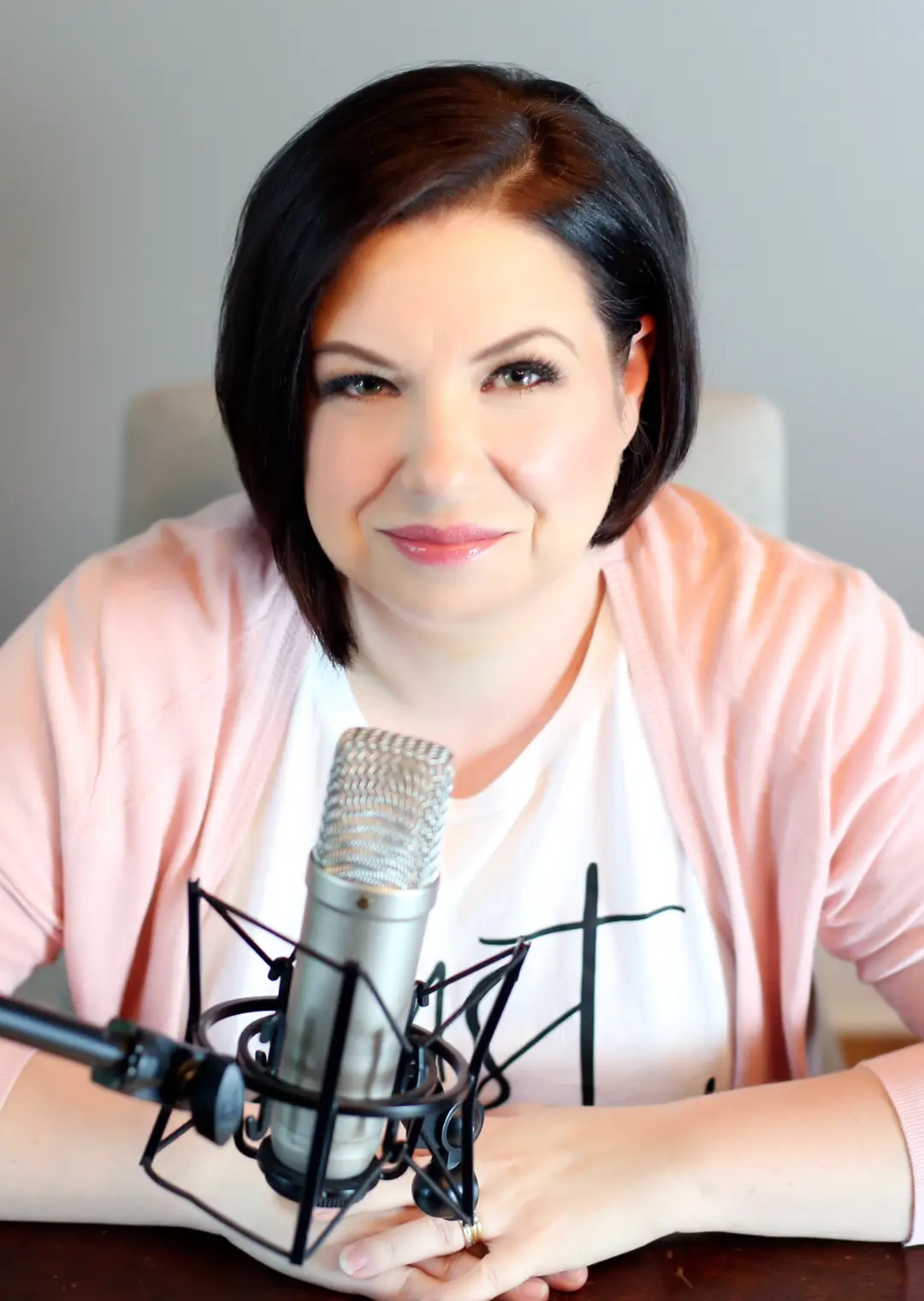
hey there!
I help stuck and struggling parents (educators, too) make the pivots necessary to unlock success and joy for neurodivergent kids and teens, themselves, and their families. I’m honored to be part of your journey!
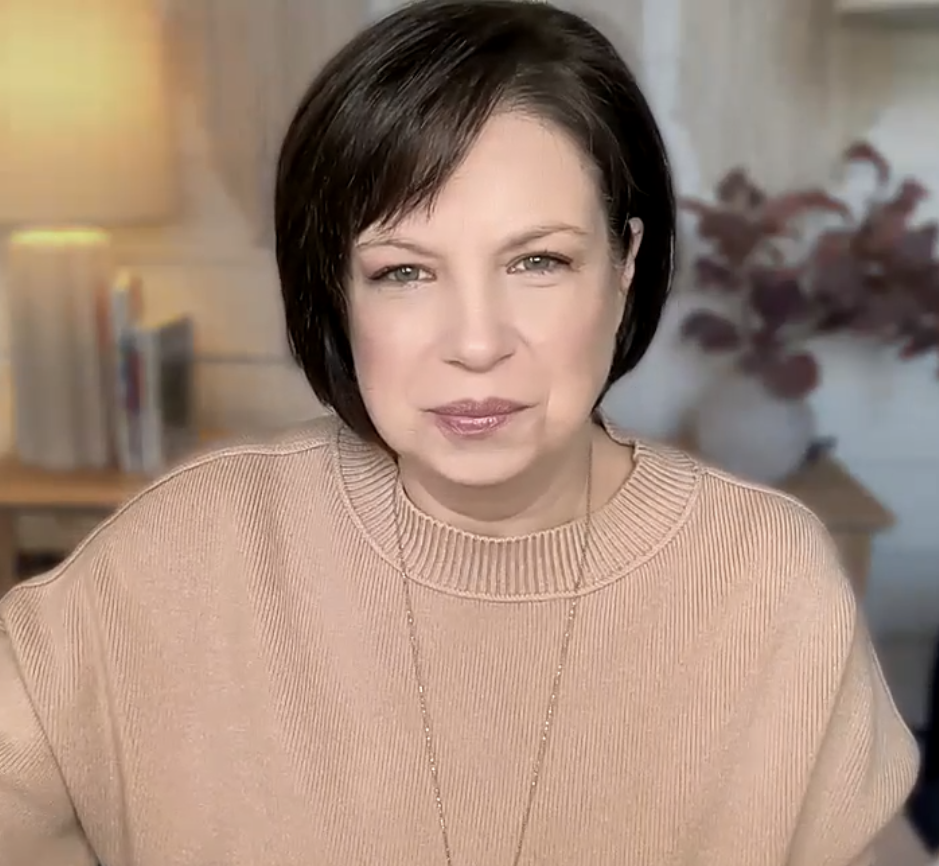
Hello!I'm Penny Williams.
Host of Beautifully Complex. I help stuck and struggling parents (educators, too) make the pivots necessary to unlock success and joy for neurodivergent kids and teens, themselves, and their families. I'm honored to be part of your journey!

Free Community Hub
You don't have to do this alone! Find calm, confidence, and connection inside the FREE Beautifully Complex Parenting Hub.
Decode Your Kid's Behavior IN < 3 MINUTES
Take my FREE Animal Instincts Quiz to understand your child's biological stress response and get focused on what will help you and your kid RIGHT NOW.
FREE VIDEO SERIESQuick Start: 3 High-Impact Actions to Transform Behavior
Transforming negative or unwanted behavior is a long and complex process. HOWEVER, there are a few actions you can take right now that will provide a big impact. These 3 high-impact strategies address foundational aspects of behavior, empowering you to help your child feel better so they can do better.
A Few of My Favorite Tools
Time Timer
Makes time visual.
Mighty + Bright
Manage chores and routines while building self-confidence and independence.
Mightier
Blends gaming with off-screen activities to teach coping skills through play.
Howda Hug Chair
A chair that gives kids a sensory hug.