342 Pressure Isn’t Motivating, It’s Actually Dysregulating

with Penny Williams

Listen on Apple Podcasts  |  Spreaker  |  Spotify  |  iHeart Radio

We’ve been told for generations that pressure builds motivation. Push harder. Raise the stakes. Add consequences. But when you’re parenting a neurodivergent child, that approach doesn’t just fall flat, it actively works against you.

Pressure doesn’t inspire effort. It signals threat.

When a child’s nervous system senses pressure, their body shifts into protection mode. Fight. Flight. Freeze. And once that happens, access to the thinking brain — the part responsible for learning, planning, organizing, problem-solving, and follow-through — dims or shuts off completely. The very skills we’re trying to access disappear.

Most of us don’t apply pressure because we’re cruel or controlling. We do it out of love. Out of fear. Out of a deep desire to prepare our kids for adulthood and success. But there’s a painful paradox here: the more pressure we apply, the less capable our kids become, and the more disconnected our relationship feels.

In this episode, I unpack why pressure is read by the autonomic nervous system as threat, why neurodivergent kids are especially sensitive to it, and how common parenting phrases and punishments unintentionally increase dysregulation. I also explain why behaviors like avoidance, shutdown, and resistance are signals (not character flaws) and what actually supports motivation instead.

We talk about regulation as the foundation for everything: learning, executive function, resilience, and connection. And I offer practical, nervous-system-informed alternatives that reduce power struggles without lowering the bar or giving up on your child.

This is permission to stop pushing and start supporting without guilt.

Listen in to learn how pulling back on pressure can restore doability, connection, and motivation for both you and your child.

Pressure is often framed as a necessary discomfort — something kids must learn to tolerate to build grit, resilience, and responsibility. But ironically, pressure doesn’t function as motivation. It functions as a threat.

The nervous system doesn’t differentiate between physical danger and emotional, cognitive, or social threat. When pressure rises — deadlines, punishments, comparisons, urgency — the body responds instinctively. Fight, flight, or freeze takes over, and the thinking brain goes offline. Planning, flexibility, emotional regulation, and executive functioning become inaccessible.

From the outside, this looks like avoidance, refusal, or defiance. From the inside, it feels like overwhelm, panic, or shutdown.

Many parents add pressure when things aren’t getting done because that’s what we were taught. Pressure feels like the lever we’re supposed to pull. Especially with ADHD brains, where urgency and interest spark engagement, pressure seems like the logical substitute when importance alone isn’t enough. But pressure doesn’t create urgency, it creates dysregulation.

And dysregulation erases doability.

When expectations are placed on a nervous system that isn’t regulated, those expectations cannot be met. Over time, this creates rupture. Kids withdraw. Communication shuts down. Motivation plummets. Not because kids don’t care, but because their bodies are protecting them.

Motivation isn’t something we can force. It’s an outcome. It grows from felt safety, predictability, autonomy, and small, noticeable wins. When a child feels safe (emotionally, psychologically, socially) their nervous system settles. When the nervous system settles, skills become accessible. Learning becomes possible. Effort becomes available.

This doesn’t mean lowering standards forever or abandoning responsibility. It means stretching timelines. Meeting kids where they are today, not where we wish they were. It means offering support before demanding performance and focusing on regulation before productivity.

Autonomy plays a critical role here. Bounded choices and supported control reduce anxiety and increase buy-in. When kids feel some ownership, they’re more willing to engage. Not because they’re forced, but because they’re regulated enough to try.

Pulling back on pressure isn’t permissive parenting. It’s foundational parenting. It builds the conditions for resilience, grit, and independence to develop naturally over time.

Regulation first isn’t a detour. It’s the path.

3 Key Takeaways
01

Pressure is interpreted by the nervous system as threat, not encouragement. When a child feels pressured, their body shifts into survival mode, cutting off access to the thinking brain and making tasks less doable.

02

Behavior like avoidance, shutdown, and resistance isn’t defiance, it’s communication. These signals tell us that expectations are exceeding regulation, and adding more pressure only intensifies the response.

03

Motivation grows from safety, autonomy, and regulation. When kids feel supported and steady, they regain access to skills, problem-solving, and willingness, and connection deepens alongside it.

What You'll Learn

Why pressure shuts down executive function instead of building motivation

How dysregulation blocks access to the thinking brain

The difference between productive discomfort and nervous system overload

What actually increases doability for neurodivergent kids

How regulation-first parenting reduces power struggles and restores connection

Resources

Some of the resources may be affiliate links, meaning I receive a commission (at no cost to you) if you use that link to make a purchase.

Subscribe to Clarity — my weekly newsletter on what’s working in business right now, delivered free, straight to your inbox.

Work with me to level up your parenting — online parent training and coaching  for neurodiverse families.

Our Sponsor

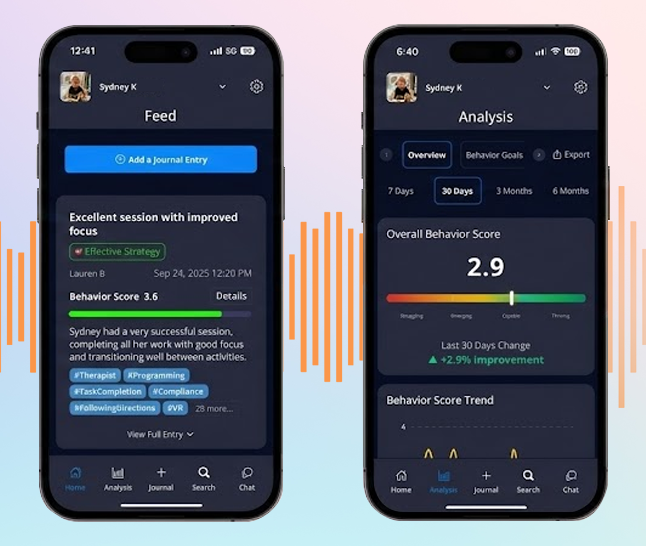
Village Metrics

Voice Journaling + AI for Parents of Neurodiverse Kids

Just talk about your child's day. VillageMetrics uses AI to find patterns, track progress, and show you what's helping. Start your free trial today.

Transcript

342 Pressure Isn’t Motivating, It’s Actually Dysregulating
Penny Williams
[00:00:01] We’re coming into it with the best of intentions—out of love, out of caring, out of trying to prepare our kids for adulthood and a successful future.
But we’re often doing things that cause real harm. This isn’t the kind of discomfort that builds grit or resilience. This is the kind of discomfort that shuts everything down.

[00:00:30] Welcome to Beautifully Complex, where we unpack what it really means to parent neurodivergent kids with dignity and clarity. I’m Penny Williams, and I know firsthand how tough—and how transformative—this journey can be. Let’s dive in and discover how to raise regulated, resilient, beautifully complex kids together.

[00:01:00] Today I want to talk about why pressure isn’t motivating—it’s actually dysregulating.
We live in a culture that tells us if we just push a little harder, kids will rise to the occasion. This belief is especially strong in education. Grades matter. College matters. Success depends on pressure.
But many of those beliefs aren’t true for everyone. And the biggest issue is this: pressure dysregulates the nervous system.
When the nervous system is dysregulated, access to the thinking brain dims. And when dysregulation is high enough, access is cut off entirely. So we’re pushing kids to do things while creating an environment where they are biologically less capable of doing them.
We’re shooting ourselves in the foot.

[00:02:53] When you add neurodivergence into the mix, the impact is even greater. Many of our kids are more sensitive to pressure, so dysregulation happens faster and more intensely.
As parents, when things aren’t happening, pressure becomes our go-to tool. Especially with ADHD brains, where urgency and interest spark engagement—not importance. When something is important but not doable, we add pressure.
This isn’t about blame or shame. This is how we were raised. This is what we were taught. But now we understand the nervous system better, and we know this belief is a fallacy.
The more pressure we add, the less capable our kids become.

[00:03:57] My own child taught me this the hard way. In high school, he finally said, “The more pressure you put on me, the less I can do what you’re asking—and the less I want to.”
That’s a double hit against us.
We come from love and fear, not cruelty. But pressure causes harm. It shuts kids down. It makes them withdraw from us. And when pressure consistently makes a child feel bad, they stop communicating to protect themselves.
That’s just human nature.

[00:05:40] Pressure does not create motivation. It is read by the autonomic nervous system as threat.
Let me say that again: pressure is read as threat.
When the nervous system senses danger—emotional, psychological, social, cognitive—it responds instinctively. Fight. Flight. Freeze.
We think we’re motivating, but we’re actually creating more challenging behavior and less doability. Our kids don’t want this either. No one wants to be in survival mode.

[00:07:25] Behavior is a signal. It tells us there is too much pressure.
Avoidance isn’t laziness. Pressure creates more avoidance. Shutdown isn’t refusal. Pressure creates more shutdown. Resistance isn’t defiance. Pressure creates more resistance.
So how do we support our kids without using a broken tool?
Common pressure phrases sound like: “You’re capable of more.” “If you tried harder, you could do it.” “This isn’t hard.” “You need to push through.”
Punishment is pressure too—and that’s why it backfires.
Support sounds different: “This feels like too much.” “I notice you’re overwhelmed.” “Let’s help your body feel steadier first.”
Expectations without regulation cannot be met.

[00:09:23] When we’re regulated, we have access to skills—executive functioning, problem-solving, strategy, learning. Regulation is what makes learning biologically possible.
There’s grief here. I know that. Letting go of timelines, comparisons, and imagined futures is hard. But this is not a “not ever.” It’s a not yet.
Self-regulation and emotional regulation lead to a more fulfilling life for every human being. This isn’t special treatment. This is human development.

[00:12:58] Motivation isn’t a lever we can pull. It’s an outcome.
It grows from:
• Felt safety
• Predictability
• Small, doable wins
• Noticing progress
• Supported autonomy
We don’t let kids fail. We offer bounded choices and control. Autonomy reduces anxiety and increases engagement.

[00:15:28] Pulling back on pressure should feel like relief—not another responsibility.
It reduces power struggles, nagging, and exhaustion. It doesn’t lower the bar. It builds the foundation for durability, engagement, and willingness.
Regulation always comes first. Without it, nothing else works.

[00:17:53] If your child is often dysregulated, very little is getting done—and it’s not productive or efficient.
This is permission to focus on regulation before worksheets, social skills, or compliance. Those things cannot improve without regulation.

[00:19:17] Pressure cuts off access to the thinking brain. Without the thinking brain, there is no planning, organizing, time management, or strategy.
My favorite alternative is simple: “I’m here when you’re ready. How can I help?”
No threats. No nagging. Just support.
Some kids still need external motivation—but it must be paired with regulation, flexibility, and honoring their timeline.

[00:22:29] Connection is what our families crave. Pressure pushes it further away.
Ask your child what they need. Honor their timeline. Be aware of pressure and pull back.
Pressure isn’t a problem to solve. It’s something to notice and reduce.
Regulation and safety are always the path forward.

[00:23:50] I see you. You’re doing hard and meaningful work, and you don’t have to do it alone. Thanks for being here.

hey there!

I'm your host, Penny Williams.

I help stuck and struggling parents (educators, too) make the pivots necessary to unlock success and joy for neurodivergent kids and teens, themselves, and their families. I'm honored to be part of your journey!

Hello!
I'm Penny Williams.

Host of Beautifully Complex. I help stuck and struggling parents (educators, too) make the pivots necessary to unlock success and joy for neurodivergent kids and teens, themselves, and their families. I'm honored to be part of your journey!

Free Community Hub

You don't have to do this alone! Find calm, confidence, and connection inside the FREE Beautifully Complex Parenting Hub.

Decode Your
Kid's Behavior
IN < 3 MINUTES

Take my FREE Animal Instincts Quiz to understand your child's biological stress response and get focused on what will help you and your kid RIGHT NOW.

FREE VIDEO SERIES
Quick Start: 3 High-Impact Actions to Transform Behavior

Transforming negative or unwanted behavior is a long and complex process. HOWEVER, there are a few actions you can take right now that will provide a big impact. These 3 high-impact strategies address foundational aspects of behavior, empowering you to help your child feel better so they can do better.

A Few of My Favorite Tools

Time Timer

Makes time visual.

Mighty + Bright

Manage chores and routines while building self-confidence and independence.

Mightier

Blends gaming with off-screen activities to teach coping skills through play.

Howda Hug Chair

A chair that gives kids a sensory hug.

Binge the Latest Episodes
penny
343: It Isn’t Disrespect. It’s a Biological Response to Stress
That “disrespectful” behavior is stress, not defiance. Learn why correction backfires and what actually helps your child calm and learn.
341 - Podcast Main Post Image
341: Building Bravery in Anxious Kids
Learn how to build bravery in anxious, neurodivergent kids using emotional regulation, trust, and nervous system support.
340
340: Finding the Balance Between Supporting & Enabling
Where is the line between supporting and enabling neurodivergent kids with ADHD and autism? A compassionate, executive-function-informed reframe for parents.
339
339: When Hope Feels Heavy: Permission to Start A New Year Without Optimism
When hope feels heavy, support matters more than optimism. A compassionate reframe on burnout, emotional regulation, and parenting neurodivergent kids with ADHD and autism.
Share your thoughts

Leave a Reply

Start Typing

14 days to fewer meltdowns and easier days.

You don’t need more discipline or another parenting trick.

This 14-day reset shows you what to do before, during, and after meltdowns so life starts feeling doable again.

Get instant access for just $23 USD.