
Let Your Child Be Your Guide
Watch these expert workshops to help you make the parenting pivots necessary to let your child guide their own journey.
Parents should let their kids guide their own journey because it promotes independence, critical thinking, and decision-making skills.
By allowing kids and teens to figure things out on their own, they learn to take responsibility for their actions and develop a sense of ownership over their lives. It also helps them develop problem-solving skills and boosts their self-confidence. Ultimately, guiding rather than directing allows children to become independent, happy, and healthy adults.
We often grow up ourselves with the understanding that parenting should be authoritarian, and American society certainly encourages that. However, that parenting style does not work the same for neurodivergent kids. ADHD and autism necessitate a different parenting approach. Listen as Elaine Taylor-Klaus and Diane Dempster discuss taking a coach approach with Penny. Learn the basics of a coach approach and how to implement it with your own child. Recognize how this approach fosters independence, teaching kids to understand, manage, and use their brains effectively.
When parents are intuitively in sync with their children, they naturally know how to push their children enough that they are challenged, but not so much that they fall apart. In autism, the children don’t always give feedback that the parents can understand when the parents push their kids farther and faster than they can handle. In this session, Rachelle Sheely, Ph.D. joins Sarah Wayland, Ph.D. and explains why this breakdown occurs, and provides strategies that work to re-establish your role as your child’s guide.
School success is about a lot more than academics. There are a lot of factors that determine if a child is available to learn and can succeed in the ways expected. Skills are a common factor that come to mind, but how a child feels is just as important, if not more so. Why? Because we know that when we feel good we’re able to do good. In this session, pediatric psychologist, Dr. Ann-Louise Lockhart joins Penny to explain the reasons why feeling accepted and valued is crucial in learning and education (and all life) and the cost of not having these core feelings. She provides some simple and actionable strategies to make sure that your child or your students feel accepted and valued.
Ready to go deeper?
You don't have to figure this all out alone.
If you’re here, it means you care deeply about creating a safe, supportive world for your child — one where structure feels like security, not control. These free workshops were just the beginning.
Imagine having a roadmap for those overwhelming moments…
Tools that actually work for your neurodivergent child…
And a community of parents who truly get it — cheering you on every step of the way.
That’s exactly what you’ll find inside The Regulated Kids Project.
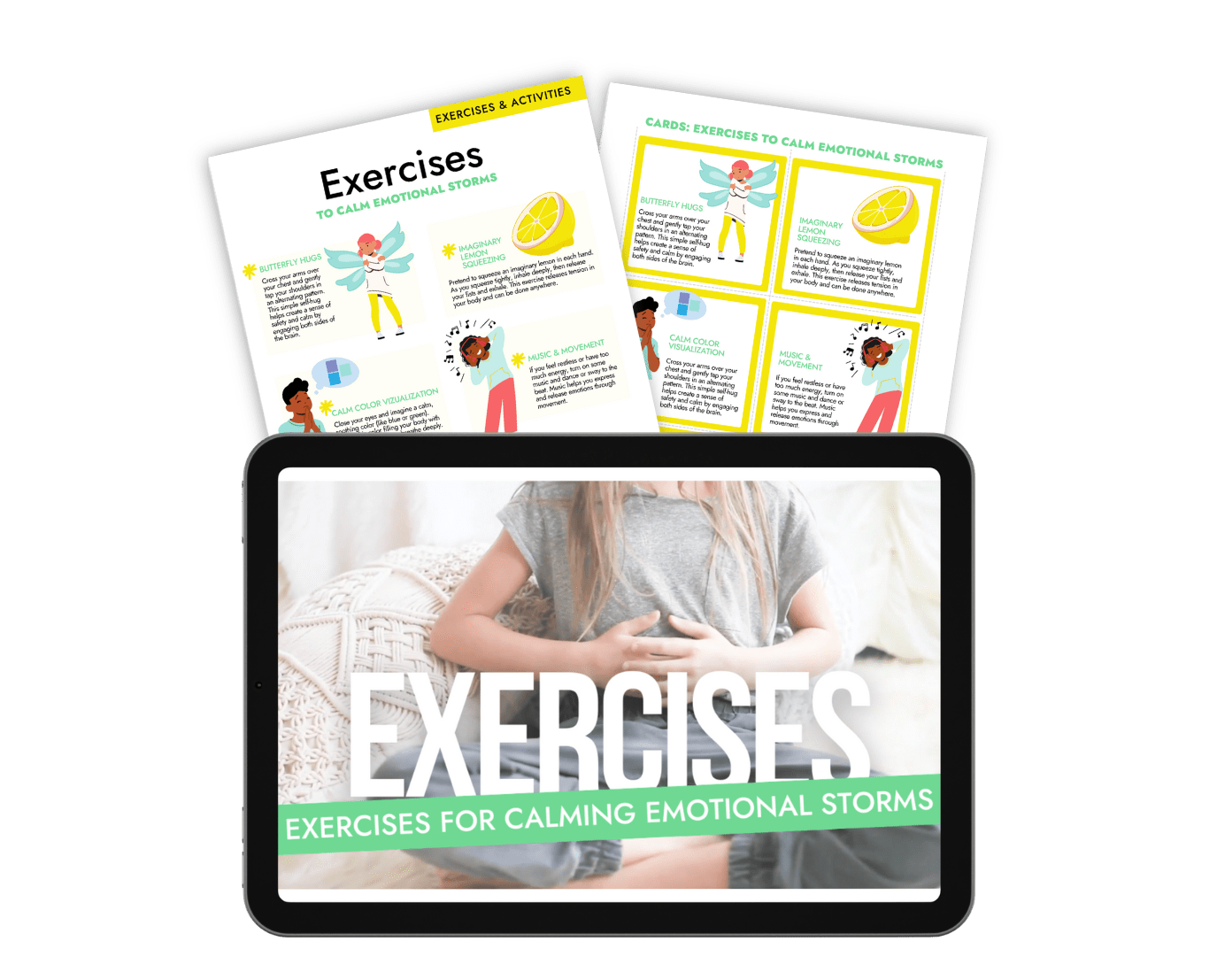
Grab-n-Go Tools & Activities
4 Mini Monthly Lessons + Activities build a lifelong parenting resource library.
Monthly Community Support Call
Real-time guidance and community.
24/7 Lumi Bot Parenting Assist
Expert neuro-affirming parenting insights in seconds.
2 Expert On-Demand Workshops Monthly
Learn from the best, on your time.